Introduction#
Vienna has a reputation as an expensive city. Fancy opera houses, imperial palaces, EUR 6 slices of Sachertorte — the image most people have is not exactly budget-friendly. But here is the thing: I live in Vienna, and I regularly spend less in a day here than friends tell me they spend in supposedly “cheap” cities like Budapest or Prague. You just need to know where to look.
Visiting Vienna on a budget is not about suffering through a miserable trip. It is about being strategic. The city has an enormous amount of free stuff — parks, museums, architecture, events — and the cheap food here is genuinely good, not sad sandwiches from a gas station. A Käsekrainer sausage at midnight, a EUR 1.50 open-face sandwich at Trzesniewski, a full lunch menu at a Beisl for EUR 9 — this is how Viennese people actually eat on a normal day.
This guide breaks down exactly how to do Vienna for under EUR 50 per day. Real prices, real places, no vague “eat like a local” advice without telling you where. Whether you are a backpacker stretching every euro or just someone who would rather spend money on experiences than overpriced hotel breakfasts, this is the plan.
Sample Daily Budget#
Here are two realistic daily budgets — one for travelers who want to keep it as lean as possible, and one for those who want a bit more comfort without breaking the bank.
| Category | Ultra-Budget (~EUR 38/day) | Comfortable Budget (~EUR 55/day) |
|---|---|---|
| Accommodation | EUR 15 (hostel dorm, 8-10 bed) | EUR 25 (hostel dorm, 4-6 bed or private pod) |
| Breakfast | EUR 0 (hostel free breakfast or supermarket bread + cheese) | EUR 3 (bakery pastry + coffee) |
| Lunch | EUR 5 (supermarket meal or Trzesniewski sandwiches) | EUR 10 (Mittagsmenü at a restaurant) |
| Dinner | EUR 5 (Würstelstand sausage or kebab) | EUR 8 (Beisl daily special or Naschmarkt stall) |
| Snacks/drinks | EUR 2 (supermarket water + snack) | EUR 3 (coffee at a normal café, not a tourist one) |
| Transport | EUR 2.40 (weekly pass, per day) | EUR 5.80 (24-hour ticket) |
| Activities | EUR 0–5 (free museums + walking tour tip) | EUR 5–10 (one paid attraction or tour) |
| Daily Total | ~EUR 30–35 | ~EUR 55–60 |
Free Things to Do in Vienna#
This is the section that will save you the most money. Vienna has a staggering number of free things to do, and I am not talking about “walk around and look at buildings” (though you should do that too). These are genuine attractions.
Free Museums & Attractions#
Wien Museum — Vienna’s city museum at Karlsplatz reopened after a major renovation and is now permanently free. The collection covers Vienna’s history from Roman times to the present, with original works by Klimt, Schiele, and a scale model of the old city. This alone could fill two hours. Address: Karlsplatz 8, 1040 Wien. Wien Museum official site
First-Sunday-free museums — On the first Sunday of every month, several major museums offer free entry. This includes the Belvedere, the Naturhistorisches Museum, the Kunsthistorisches Museum, the Albertina, and the Technisches Museum. If your trip happens to fall on the right weekend, you can see world-class art for nothing. Check the specific museum websites for current participation — the list changes occasionally.
Rathaus (City Hall) — The neo-Gothic Rathaus is stunning from outside, but you can also take a free guided tour of the interior on certain weekdays (usually Mondays, Wednesdays, Fridays at 13:00 — check the city website for current times). The main hall with its grand staircase is worth the visit.
St. Stephen’s Cathedral (Stephansdom) — You have to pay to climb the towers or visit the catacombs, but the ground floor of the cathedral is free to enter. The interior is massive, dark, and genuinely impressive. Look up — the vaulted ceiling is 28 meters high. Address: Stephansplatz 3, 1010 Wien.
Parliament Building — Austria’s Parliament offers free guided tours that take you through the grand marble halls and the National Council chamber. Tours run in German and English; book online in advance at the Parliament website. It is a gorgeous building inside, and almost no tourists bother with it.
Free Parks & Outdoor Spaces#
Vienna is one of the greenest cities in Europe. Over half the city is green space, and all of it is free.
Schoenbrunn Palace Gardens — The palace costs EUR 24 for the Grand Tour, but the gardens behind it are completely free and absolutely massive. Walk up to the Gloriette for a panoramic view of the city (the terrace viewpoint is free; the café on top charges a few euros). The gardens include a maze, manicured flower beds, and enough paths to fill an entire morning. Getting there: U4 to Schoenbrunn.
Prater Park — Most tourists think of the Prater as the amusement park with the giant Ferris wheel. That is the Wurstelprater, and the rides cost money. But the actual Prater is a 6-square-kilometer public park with tree-lined avenues, running paths, picnic meadows, and a long straight road called the Hauptallee that stretches for 4.4 kilometers. Bring a book, find a bench, and spend a free afternoon. Getting there: U1 or U2 to Praterstern.
Donauinsel (Danube Island) — A 21-kilometer artificial island in the middle of the Danube. In summer, this is where Viennese people go to swim, barbecue, jog, and hang out. There are free swimming areas, paved cycling paths, and grassy spots everywhere. It does not feel like you are in a capital city at all. Getting there: U1 to Donauinsel.
Stadtpark — Home to the famous golden Johann Strauss statue (the most photographed monument in Vienna). The park itself is lovely for a stroll along the Wien River. Free, obviously. Getting there: U4 to Stadtpark.
Volksgarten — Between the Hofburg and the Ringstrasse, this garden is famous for its rose collection (blooms May through October). There is also a Theseus Temple inside, a small replica of the one in Athens. Great spot for a cheap lunch picnic if you grab food from a nearby supermarket. Getting there: U2 to Volkstheater, 3-minute walk.
Free Walking & Neighborhoods#
Some of the best experiences in Vienna are just walking through the right streets.
Walk the Ringstrasse — The famous Ring Road circles the entire Innere Stadt (1st district) and passes nearly every major landmark: the Opera House, Parliament, Rathaus, Burgtheater, University, and both major museums. The full loop is about 5.3 kilometers and takes roughly 90 minutes at a relaxed pace. Do it in the late afternoon when the light hits the buildings.
Explore Spittelberg — The narrow cobblestone streets of the Spittelberg quarter (7th district, near Museumsquartier) are lined with small galleries, independent shops, and Biedermeier-era houses. In December it hosts one of Vienna’s best Christmas markets, but it is charming year-round. Free to wander.
Karmelitermarkt — A neighborhood market in the 2nd district that feels much more local than the tourist-heavy Naschmarkt. Browse the stalls, look at the produce, people-watch at the café tables. You do not have to buy anything to enjoy the atmosphere, though a cheap coffee here costs about EUR 2.50.
Naschmarkt window-shopping — The Naschmarkt is Vienna’s most famous market. It is touristy, yes, but walking through it costs nothing. Over 100 stalls selling spices, cheese, olives, dried fruit, and prepared food. If you do buy something, head to the stalls further from the Karlsplatz end — prices drop noticeably.
Free Events & Festivals#
Film Festival at Rathausplatz (July–August) — Every summer, a giant screen goes up in front of the Rathaus and shows opera, ballet, and concert recordings for free. Every single night. Food stalls line the square selling dishes from EUR 5–10. The atmosphere is fantastic, and this is what locals actually do on summer evenings. Official events calendar
Donaukanal open-air scene — From roughly May through September, the banks of the Donaukanal (the smaller Danube channel running through the city center) come alive with pop-up bars, street art, live DJs, and occasional free concerts. The stretch between Schwedenplatz and Rossauer Lände is the most active. Walk along and see what is happening — there is always something.
Summer open-air festivals — Vienna hosts free concerts and cultural events throughout the summer in various parks and public spaces. The Donauinselfest (Danube Island Festival) in June is one of the largest open-air music festivals in Europe, and it is entirely free. Three days, multiple stages, millions of visitors.
Budget Accommodation#
Accommodation is usually the biggest chunk of any travel budget. In Vienna, you have solid options that will not destroy your wallet.
Hostels (EUR 15–30/night)#
Vienna has some of the best hostels in Europe, consistently ranking high in traveler reviews.
Wombats City Hostel — Two locations (Naschmarkt and The Lounge near Westbahnhof). Clean, social, with a bar and decent common areas. Dorm beds start around EUR 18–25/night depending on season and room size. The Naschmarkt location puts you right next to the market and the U4 line. Address (Naschmarkt): Rechte Wienzeile 35, 1040 Wien.
MEININGER Hotel Vienna Downtown Franz — A hybrid hostel-hotel right near Hauptbahnhof. Dorms from EUR 18/night, private rooms from EUR 55. Breakfast buffet available for EUR 9.50, but skip it — a bakery pastry is EUR 2. Address: Columbusgasse 16, 1100 Wien.
Hostel Ruthensteiner — A smaller, more personal hostel near Westbahnhof with a garden courtyard. Dorms from EUR 15–22/night. The vibe is relaxed, the kitchen is well-equipped for self-catering, and the staff actually cares. This is my top recommendation for solo budget travelers. Address: Robert-Hamerling-Gasse 24, 1150 Wien.
Budget Hotels & Alternatives#
If you want a private room, expect EUR 50–80/night at a basic hotel. Check the areas around Westbahnhof (15th district) and Hauptbahnhof (10th district) — they are well-connected by public transport and significantly cheaper than anything in the 1st district.
For longer stays (5+ nights), apartment rentals can work out cheaper than hostels if you are traveling as a pair or group. Two people splitting a EUR 60/night apartment pay EUR 30 each — and you get a kitchen, which slashes your food budget.
Budget Food#
Vienna’s cheap food scene is genuinely excellent. This is not a city where “budget” means sacrificing quality.
Street Food & Quick Bites#
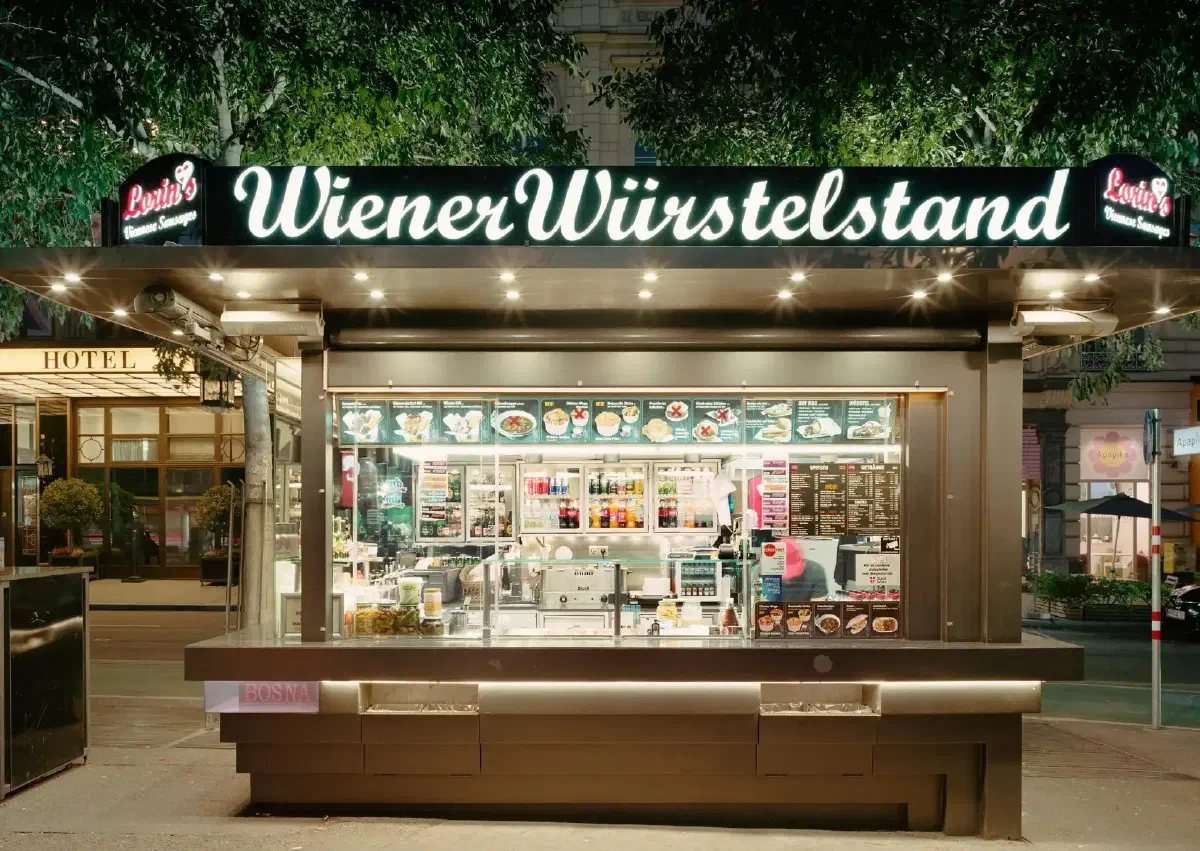
Bitzinger Würstelstand — The most famous sausage stand in Vienna, right behind the State Opera. A Käsekrainer (cheese-filled sausage) with bread and mustard costs EUR 4.50–5. Open late. Address: Albertinaplatz, 1010 Wien.
Trzesniewski — A Vienna institution since 1902. Tiny open-face sandwiches (Brötchen) on dark bread with toppings like egg, smoked fish, and spreads. Each one costs about EUR 1.50. Four or five make a filling lunch for under EUR 8. Address: Dorotheergasse 1, 1010 Wien.
Kebab spots — Vienna has a strong Turkish and Middle Eastern food scene. A solid doner kebab costs EUR 5–6 at most places. The area around Brunnenmarkt (16th district) has some of the best options. Maschu Maschu near Schwedenplatz does great falafel plates for EUR 8–10.
Supermarket Strategy#
Austrian supermarkets are your best friend on a budget.
Hofer (the Austrian version of Aldi) has the lowest prices. Billa is everywhere and slightly more expensive but still reasonable. Lidl falls in between. A supermarket lunch — bread, cheese, deli meat, fruit — runs about EUR 4–5. A full day of supermarket eating costs EUR 8–10.
Look for the discount sticker (yellow “–25%” tags at Billa) on items approaching their sell-by date. You can get perfectly good sandwiches, salads, and prepared meals for 25–50% off, usually after 17:00.
Mittagsmenü (Lunch Specials)#
This is the single best trick for eating well on a budget in Vienna. Most traditional restaurants (Beisln) and many international spots offer a Mittagsmenü — a set lunch menu available roughly 11:30–14:30, Monday to Friday. You get a soup or salad starter plus a main course for EUR 8–12. The same main course would cost EUR 15–20 if ordered from the evening menu.
Look for chalkboard signs outside restaurants advertising “Menü” or “Tagesmenü” with a price. The 4th, 5th, 6th, and 7th districts are full of these deals.
University Mensa#
Vienna’s university cafeterias are open to the public (not just students) and serve filling meals for EUR 5–8. The Mensa at the main University of Vienna (Universitätsstrasse 7, 1010 Wien) is the most central. Quality varies day to day, but the price-to-portion ratio is hard to beat.
For a full food guide with 20 restaurant recommendations at every price point, check Where to Eat in Vienna.
Budget Transport#
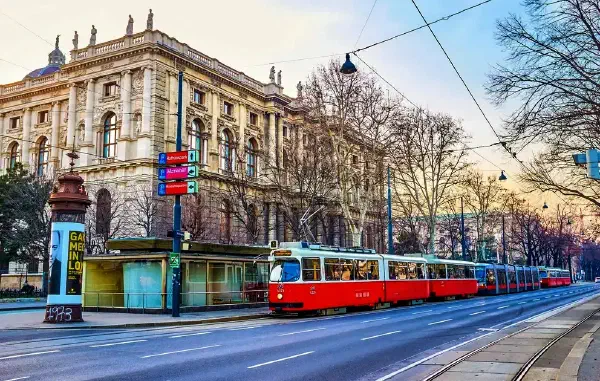
Vienna’s public transport system is excellent, clean, and cheap by Western European standards. It is run by Wiener Linien, and one ticket gives you access to the U-Bahn (metro), trams, and buses.
Ticket Options#
| Ticket Type | Price | Best For |
|---|---|---|
| Single trip | EUR 2.40 | One-off rides |
| 24-hour pass | EUR 5.80 | Day trips, short stays |
| 48-hour pass | EUR 10.10 | Weekend visits |
| 72-hour pass | EUR 14.10 | 3-day stays |
| Weekly pass (Wochenkarte) | EUR 17.10 | Stays of 4+ days (Mon–Mon) |
The weekly pass (Wochenkarte) is valid Monday 00:00 to the following Monday 09:00. Even if you arrive on a Wednesday, it is usually worth buying if you are staying through the weekend — four days at EUR 5.80/day would cost EUR 23.20, so the EUR 17.10 weekly pass still saves you money.
Buy tickets from the machines at any U-Bahn station or through the Wiener Linien app. The machines accept cards and cash.
Walk When You Can#
Vienna’s center is very walkable. The 1st district (Innere Stadt) is compact — you can cross it in 20 minutes on foot. If you are spending a day exploring the center, you may not need a transport ticket at all. Save the metro rides for getting to Schoenbrunn, the Prater, or getting back to your hostel at night.
Why NOT to Buy the Vienna City Card#
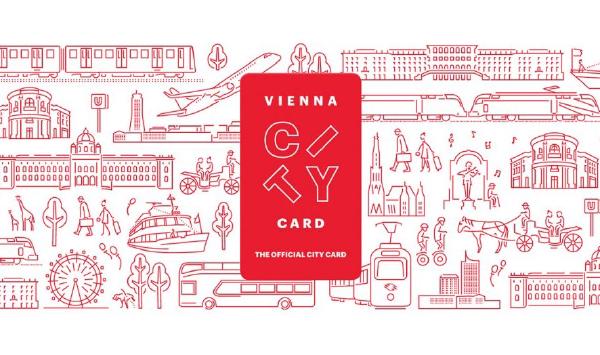
The Vienna City Card (EUR 17 for 24 hours, EUR 25 for 48 hours) includes a transport pass plus discounts at museums and attractions. Sounds great, right? For pure budget travelers, it is usually a bad deal. Here is why:
The discounts are typically 10–25% off admission prices. If you are mostly visiting free attractions (as this guide recommends), those discounts save you nothing. You are better off buying a regular transport pass and spending your activity budget on the few paid things you actually want to do.
The City Card makes more sense for mid-range travelers hitting 3–4 paid museums in a short stay. For budget travelers, skip it.
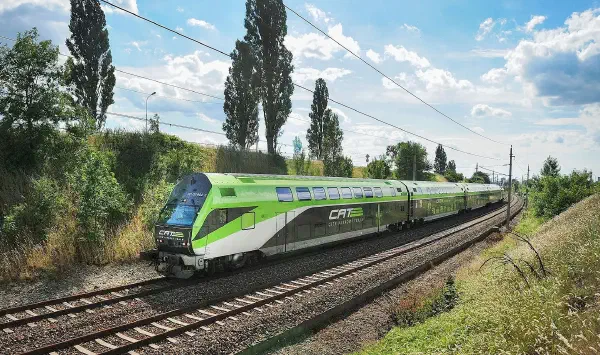
For cheap options getting from the airport to the city, read my Vienna Airport to City Center guide — the S7 train costs just EUR 2.40 with a transport pass.
Budget Activities & Tours#
Free Walking Tours#
Free walking tours are tip-based — you pay what you think the tour was worth at the end. They run daily, last about 2–2.5 hours, and cover the major sights of the Innere Stadt with a local guide. The suggested tip is EUR 5–10 per person, which makes them one of the cheapest guided experiences in the city.
Most free walking tours meet at Albertinaplatz (behind the Opera House) at 10:00 and 14:00 daily. No booking required, just show up. If you want to reserve a spot in advance:
Vienna Free Walking Tour
Tip-based 2–2.5 hour walking tour of the Innere Stadt covering the major sights with a local guide. Pay what you think it was worth at the end — suggested tip EUR 5–10 per person. Meets daily at Albertinaplatz.
Cheap Guided Alternatives#
Beyond the free walking tours, GetYourGuide and other platforms offer themed tours (street art, Jewish Vienna, dark history) starting from EUR 15–20. These tend to be smaller groups and go deeper into specific topics. Worth it if a particular subject interests you.
Pay-What-You-Wish & Cheap Entry#
Some sights offer reduced or flexible pricing that budget travelers should know about:
- Standing-room opera tickets: EUR 3–4 at the Wiener Staatsoper. Sold 80 minutes before each performance. You stand, but you are inside one of the world’s great opera houses.
- Haus der Musik: Regular price EUR 16, but check for combination deals and evening discounts.
- Zoom Children’s Museum: If traveling with kids, some sessions are free — check the schedule.
- MuseumsQuartier courtyard: Free to enter and hang out in. The colorful furniture pieces are a Vienna institution. Grab a drink from the nearby café and sit outside.
Money-Saving Tips#
These are the specific, practical tricks I use myself — even as someone who lives here.
1. Drink tap water. Vienna’s tap water comes from mountain springs in the Alps via a 150-year-old pipeline. It is genuinely excellent — better than most bottled water. Do not spend EUR 3–4 on water at restaurants. Ask for “Leitungswasser” (tap water) and they are required by law to give it to you free.
2. Bring a refillable water bottle. There are public drinking fountains all over the city (over 1,000 of them) dispensing the same alpine water. Fill up for free everywhere. This refillable water bottle saves you EUR 5–10 per day compared to buying bottles.
3. Picnic in the parks. Buy bread, cheese, fruit, and deli meat at Hofer or Billa (total: EUR 4–6) and eat in one of Vienna’s parks. The Volksgarten, Stadtpark, and Burggarten are all beautiful picnic spots right in the center. This is not roughing it — it is genuinely pleasant.
4. Visit churches instead of paying for views. The south tower of Stephansdom costs EUR 6 to climb. The Peterskirche around the corner is free to enter and has a stunning baroque interior. Many of Vienna’s 300+ churches are architectural masterpieces with free entry.
5. Buy standing-room opera tickets. At EUR 3–4, this is one of the greatest cultural bargains anywhere in Europe. Performances at the Wiener Staatsoper that would cost EUR 150+ for a seat. The catch: you need to queue about 60–80 minutes before the ticket office opens (80 minutes before curtain). Bring a book.
6. Take advantage of happy hour deals. Many bars and restaurants in the 4th through 8th districts offer happy hour specials, typically 16:00–19:00. Beer for EUR 2.50–3.50, spritzers for EUR 3. Check chalkboard signs outside bars as you walk through the Freihausviertel (4th district) or Neubau (7th district).
7. Use the supermarket deli counter. Billa and Spar have hot food counters (Heisse Theke) selling roast chicken, Leberkäse sandwiches, and warm pastries for EUR 2–4. A Leberkässemmel (meatloaf sandwich) costs about EUR 2.50 and is surprisingly filling.
8. Cook at hostels. If your hostel has a kitchen — and all three I recommended above do — cook your own dinner at least every other night. A bag of pasta, sauce, and vegetables from Hofer costs EUR 3 and feeds two people.
9. Skip tourist-area ATMs. ATMs in the 1st district (especially near Stephansplatz and Graben) often charge higher fees or push unfavorable exchange rates with the “dynamic currency conversion” trick. Use ATMs at actual bank branches (Erste Bank, Raiffeisen, Bank Austria) and always choose to be charged in EUR, not your home currency.
10. Use free museum days strategically. I mentioned first-Sunday-free above, but also check individual museum websites — some offer free entry on national holidays (October 26 is Austrian National Day) or during special cultural events like the Lange Nacht der Museen (Long Night of Museums), where one EUR 15 ticket gets you into 60+ museums in one evening.
FAQ#
Is Vienna expensive?#
It depends on how you travel. Vienna ranks as one of the more expensive cities in Western Europe for hotel prices and fine dining — a mid-range hotel runs EUR 120–180/night and dinner at a sit-down restaurant is EUR 20–35 per person. But for budget travelers, the city is very manageable. Cheap food is excellent, public transport is affordable, and there are enough free attractions to fill several days without spending a euro on entry fees.
How much money do I need per day in Vienna?#
Budget travelers can get by on EUR 35–50 per day including a hostel bed, food, transport, and activities. Mid-range travelers typically spend EUR 80–120/day. Luxury travelers with upscale hotels and restaurants should budget EUR 200+ per day. The sample budgets above give you a detailed breakdown.
Can you do Vienna on EUR 30 a day?#
Technically yes, but it requires discipline. You would need the cheapest hostel dorm (EUR 15), all meals from supermarkets or the cheapest street food (EUR 10–12), a weekly transport pass (EUR 2.40/day), and only free activities. It is doable for a few days but not very enjoyable for longer stays. EUR 40–50/day is a more realistic and sustainable budget that still lets you enjoy the city.
What is free in Vienna?#
More than you would expect. The Wien Museum, Schoenbrunn Gardens, Prater park, Donauinsel, all public parks, most churches, the Rathaus tour, Parliament tours, the Film Festival at Rathausplatz (summer), the Donauinselfest, and the MuseumsQuartier courtyard are all free. On the first Sunday of each month, several major museums (including the Belvedere and Kunsthistorisches Museum) are also free.
Is the Vienna City Card worth it for budget travelers?#
Usually not. The Vienna City Card bundles a transport pass with 10–25% discounts on paid attractions. If you are following a budget strategy focused on free activities, those discounts save you little or nothing. A regular Wochenkarte (weekly transport pass, EUR 17.10) or 24-hour pass (EUR 5.80) is cheaper and does the same job for getting around. The City Card is better suited for travelers planning to visit 3–4 paid museums in a short time.
What is the cheapest way to eat well in Vienna in 2026?#
The single best trick is the Mittagsmenu lunch special, available at most traditional restaurants (Beisln) and many international spots Monday to Friday from around 11:30 to 14:30. A starter plus main course typically costs EUR 8 to 12 — the same main course from the evening menu would cost EUR 15 to 20. Trzesniewski on Dorotheergasse serves open-face dark-bread sandwiches for EUR 1.50 each; four or five make a filling lunch for under EUR 8. Hofer (the Austrian Aldi) has the lowest grocery prices for self-catering, and a full supermarket lunch costs EUR 4 to 5.
What free things can you do in Vienna in 2026?#
The Film Festival at Rathausplatz is free every evening from early July through early September, with opera and concert screenings on a giant outdoor screen in front of City Hall. The Donauinselfest in late June is a free three-day music festival with over 11 stages on the Danube Island. The Wien Museum at Karlsplatz is permanently free and covers Vienna’s history from Roman times to the present. On the first Sunday of every month, the Belvedere, the Kunsthistorisches Museum, the Naturhistorisches Museum, and the Albertina all waive admission — worth planning a trip around.
Is it possible to see Vienna opera on a budget in 2026?#
Yes, absolutely. Standing room tickets at the Vienna State Opera cost EUR 15 per performance and are sold at the box office 80 minutes before curtain. The standing section has excellent acoustics and a clear view of the stage — the same performance as seats costing EUR 150 or more. For the most popular productions, arrive at least 90 minutes before the box office opens, as tickets sell out in minutes. The Wiener Volksoper (Vienna People’s Opera) on Wahringer Strasse is a slightly less formal alternative with standing room from around EUR 3 to 5 and a repertoire that includes operetta, musical, and ballet alongside opera.
Final Thoughts#
Vienna on a budget is not about missing out. Some of my favorite things about this city — the parks, the architecture, the street food, the Donaukanal in summer — are free or nearly free. The trick is knowing where to spend and where to save, and now you have a plan for both.
For a full list of the best things to see and do, check 25 Best Things to Do in Vienna. If you want a structured day-by-day plan, my 3-Day Vienna Itinerary works well on a budget with a few swaps. And for getting from the airport without overpaying, read Vienna Airport to City Center — the cheapest option is just EUR 2.40.
Vienna is one of the best cities in Europe. You do not need a big budget to experience that — just a good plan.