Introduction#
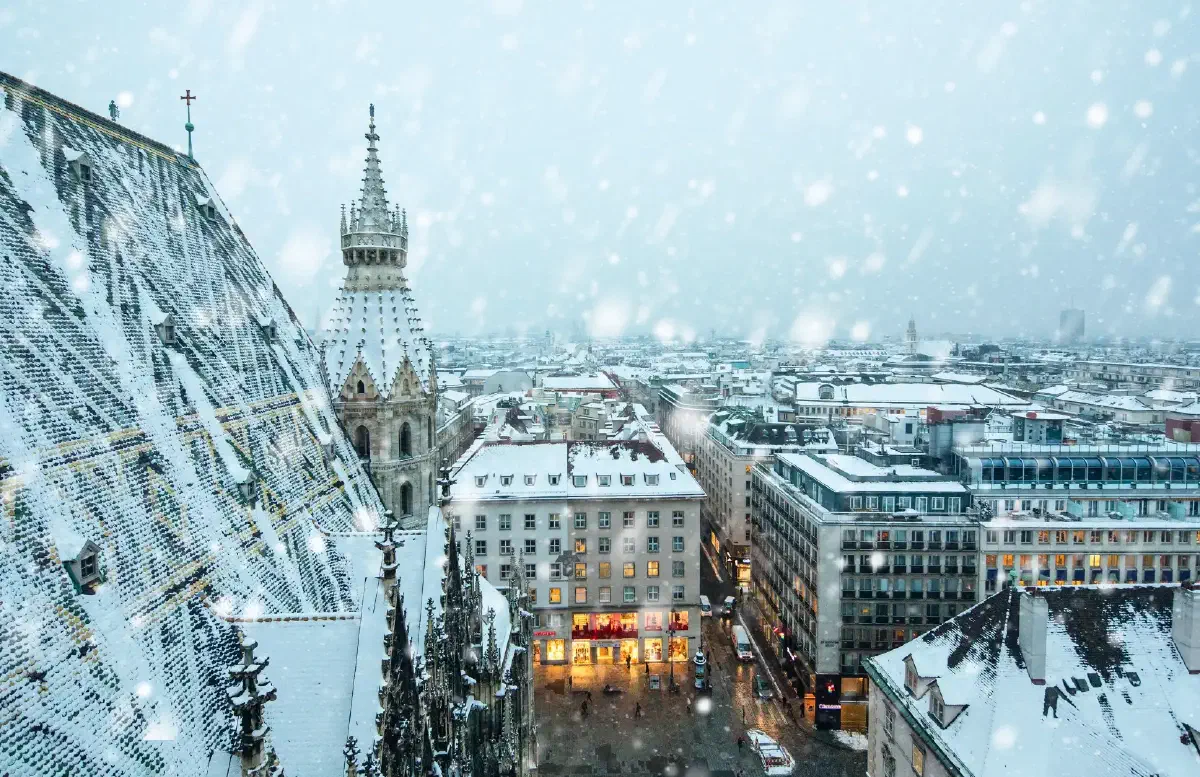
Vienna in winter is a different city from the one you see in summer travel guides. The grand boulevards get quieter, the palace gardens go bare, and the temperature drops well below freezing on the worst nights. But something happens when the first snow covers the Stephansdom rooftop and the Christmas market lights switch on — the city becomes, honestly, more beautiful than it is in July. I have lived through many Viennese winters, and I still look forward to them every year.
The cold keeps casual visitors away, which means you get the Kunsthistorisches Museum practically to yourself, hotel prices drop significantly, and the locals reclaim their city. Vienna was built for indoor life — the coffee houses, the opera, the heated museum halls — and winter is when all of that feels most natural. You will spend more time inside, and that is not a bad thing when “inside” means a baroque palace or a 150-year-old cafe.
This guide covers everything you need to plan a winter trip: real weather data, the best things to do from November through March, a packing list that will keep you comfortable, and an honest take on the downsides. No sugarcoating — some things are genuinely less enjoyable in the cold. But the trade-offs are worth it for most visitors.
Weather by Month#
Before you book, know what you are walking into. Vienna winters are Central European continental — cold, grey, and occasionally snowy. Here is the breakdown:
| Month | Avg High | Avg Low | Rain/Snow Days | Daylight Hours | Crowd Level |
|---|---|---|---|---|---|
| November | 7°C (45°F) | 1°C (34°F) | 10-12 | ~9 hours | Low-Medium |
| December | 3°C (37°F) | -2°C (28°F) | 10-13 | ~8.5 hours | Medium-High (Christmas) |
| January | 2°C (36°F) | -3°C (27°F) | 9-11 | ~9 hours | Low |
| February | 4°C (39°F) | -2°C (28°F) | 8-10 | ~10 hours | Low |
| Early March | 9°C (48°F) | 1°C (34°F) | 9-11 | ~11.5 hours | Low-Medium |
December and January are the coldest months. Temperatures regularly dip to -5°C or lower at night, and wind chill along the Danube Canal makes it feel worse. Snow is not guaranteed — some winters get heavy dumps, others stay grey and dry — but when it arrives, it transforms the city.
Best Things to Do in Winter#
Christmas Markets (November - December)#
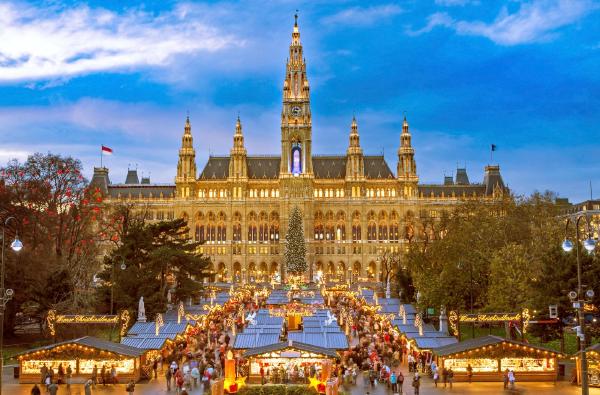
Vienna’s Christmas markets are the single biggest reason to visit in winter. The city runs over 20 official markets from mid-November through late December, and the atmosphere is genuinely special — not just a tourist trap. Here are the five worth your time:
1. Rathausplatz Christkindlmarkt — The biggest and most famous. Over 150 stalls in front of the illuminated City Hall. Open mid-November to 26 December. It gets packed on weekends, but the sheer scale means you can always find space. The tree is enormous.
2. Schoenbrunn Palace Market — The prettiest setting by far. The baroque palace facade lit up behind rows of wooden stalls is a scene you will not forget. Smaller and slightly more upscale than Rathausplatz. Open mid-November to 26 December.
3. Spittelberg Market — My personal favorite. Narrow cobblestone streets in the 7th district lined with artisan stalls. Less commercial, more local. Great for handmade gifts. Open mid-November to 23 December.
4. Karlsplatz Art Advent — The artsy one. In front of the Karlskirche, focused on design and handcraft rather than mass-produced ornaments. The quality of goods here is noticeably higher. Open mid-November to 23 December.
5. Am Hof Market — Traditional and smaller. The oldest square in Vienna filled with classic market stalls. Less overwhelming, good for a quick visit. Open mid-November to 23 December.
What to eat at the markets: Punsch (hot punch, alcoholic — the cups are collectible and different at each market), Maroni (roasted chestnuts, EUR 4-5 per bag), and Kartoffelpuffer (crispy potato fritters with garlic sauce, around EUR 5). Budget EUR 15-20 per evening if you are eating and drinking at the markets.
Vienna Christmas Markets Walking Tour
A guided evening walk through Vienna’s Christmas markets, covering hidden stalls and the traditions behind the Punsch, the Krampus, and the Christkind.
Museums#
Winter is museum season in Vienna, and this city has world-class museums that justify an entire trip on their own. When it is -3°C and sleeting, spending four hours inside the Kunsthistorisches Museum does not feel like a consolation prize — it feels like the point.
Kunsthistorisches Museum (KHM) — The crown jewel. Bruegel, Vermeer, Raphael, Caravaggio. The building itself is a work of art. Allow at least 3 hours. EUR 21 entry.
Albertina — Two locations now (Albertina and Albertina Modern). The main building near the Opera has a spectacular permanent collection of Impressionist and Modern art, plus rotating exhibitions that are consistently excellent. EUR 18.90 entry.
Leopold Museum — The world’s largest Egon Schiele collection, inside the MuseumsQuartier. If you care about Austrian Expressionism, this is essential. EUR 15 entry.
Belvedere — Klimt’s The Kiss lives here. The Upper Belvedere alone is worth the visit, but the Lower Belvedere has strong temporary exhibitions. EUR 16.70 for the Upper Belvedere.
I will publish a full guide to Vienna’s best museums soon. For the complete list of things worth seeing, check 25 best things to do in Vienna.
Coffee Houses#
There is no better time for Vienna’s coffee house culture than winter. The whole tradition was built for cold weather — heavy doors that seal out the draft, marble-topped tables, newspapers on wooden holders, and a waiter who will not rush you no matter how long you sit. Order a Melange (Vienna’s cappuccino equivalent) and a slice of Apfelstrudel, and watch the snow fall outside. Nothing beats it at -2°C.
My top picks are Cafe Central (touristy but stunning interior), Cafe Sperl (local favorite, unchanged since 1880), and Cafe Hawelka (bohemian, tiny, and authentic). For the full list with prices and directions, see my guide to Vienna’s best coffee houses.
Vienna State Opera & Classical Music#
Winter is peak season for classical music in Vienna. The Vienna State Opera runs performances almost every evening from September through June, and the winter program is packed with major productions. If you have ever wanted to see opera in one of the most famous houses in the world, this is when to do it.
Full tickets start around EUR 15 for restricted-view seats and go well above EUR 200 for premium spots. But the real trick is standing room tickets — EUR 15 for any performance, sold at the box office 80 minutes before curtain. The standing room section in the Staatsoper has excellent acoustics and a direct view of the stage. You stand for 2-3 hours, but you are hearing the same performance as the people who paid twenty times more.
Beyond the opera, the Musikverein (home of the Vienna Philharmonic and the famous New Year’s Concert) and the Konzerthaus both run full winter programs. Check their websites for schedules and last-minute availability.
Ice Skating at Wiener Eistraum#
Every January, the square in front of City Hall (Rathausplatz) transforms into a massive open-air ice rink called Wiener Eistraum. It runs from late January through early March and covers over 9,000 square meters — including pathways that wind through illuminated tree-lined routes. Skating here at night, with City Hall glowing behind you, is one of the most photogenic things you can do in Vienna.
- Price: EUR 9 entry (skate rental EUR 7.50 extra)
- Hours: 10:00–22:00 daily
- Season: Late January through early March
If you have your own skates, bring them. The rental skates are adequate but nothing special.
Thermal Baths#
When the cold gets to you — and it will — Vienna has indoor thermal bath options to thaw out.
Therme Wien is the big one. A massive thermal spa complex in the south of the city (Oberlaa, reachable by U1) with indoor and outdoor pools, saunas, and thermal water. It is not a luxury spa — think large public facility — but the warm water on a freezing day is exactly what you need. Day tickets start around EUR 24 for 3 hours.
Oberlaa Thermal Park is adjacent and free for the public park area, though the spa itself has separate admission.
For something more upscale, several hotels in the city center have spa facilities open to non-guests for a fee.
New Year’s Eve (Silvesterpfad)#
Vienna does New Year’s Eve differently from most European cities. Instead of one central fireworks display, the city sets up the Silvesterpfad (New Year’s Eve Trail) — a walking route through the city center from Stephansplatz through the Graben, along the Ringstrasse, and out to Rathausplatz. Each section has live music stages, food stands, and bars. At midnight, the Pummerin bell at Stephansdom rings out, the entire city erupts in fireworks, and everyone waltzes to the Blue Danube in the streets. It is chaotic, freezing, and genuinely wonderful.
The entire Silvesterpfad is free. No tickets, no barriers. Just show up. Food and drinks are priced at market rates — expect to pay EUR 5-8 for a Punsch and EUR 6-10 for food.
What to Pack for Winter in Vienna#
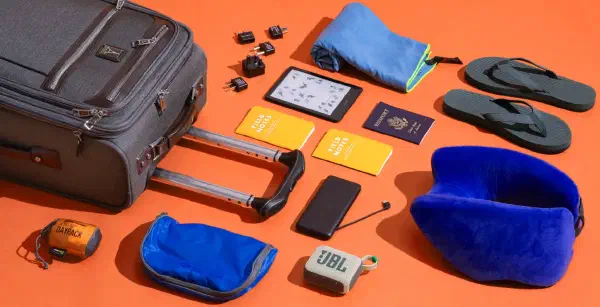
This is where most visitors make mistakes. Vienna’s cold is a damp, wind-driven cold that cuts through thin jackets. Layering is not optional — it is the entire strategy.
The Layering System#
Base layer: A merino wool or synthetic thermal layer against your skin. This is the single most important piece. Cotton absorbs sweat and makes you colder — avoid it.
Mid layer: Wool sweater or fleece. Something that insulates without adding bulk, because you will be taking it off inside heated museums and restaurants.
Outer layer: A waterproof, windproof jacket. Does not need to be an expedition parka — Vienna is a city, not a mountain — but it must block wind and rain. A good quality winter coat that hits mid-thigh is ideal.
Essential Items#
- Merino wool base layer — tops and bottoms. Wear them every day. They regulate temperature and resist odor.
- Waterproof winter boots — you will be walking on wet cobblestones, slush, and occasionally ice. Sneakers will fail you by day two. Get something with grip and waterproofing.
- Warm hat — you lose an enormous amount of heat from your head. A wool or fleece beanie is essential, not optional.
- Gloves — touchscreen-compatible if possible, since you will be using your phone for maps and tickets constantly.
- Scarf or neck gaiter — the wind chill along the Danube Canal and on exposed bridges is brutal. A good scarf makes a 20-minute walk bearable instead of miserable.
- Thermal socks — wool blend, not cotton. Your feet get cold first and take the longest to warm up.
- Compact umbrella — Vienna winters bring more drizzle and wet snow than dramatic storms, but you will need it.
Budget Tips for Winter#
Winter is significantly cheaper than summer for visiting Vienna — with one major exception.
Hotels drop 20-40% from January through March compared to peak summer rates. Even December is cheaper than July, except for the week between Christmas and New Year’s, when prices spike due to the holiday crowds and the Silvesterpfad. Book January or February for the best deals.
Christmas market spending adds up faster than you expect. Two cups of Punsch, a bag of Maroni, and a Kartoffelpuffer at each market will cost EUR 15-20 per evening. Over three or four evenings, that is EUR 60-80 that was not in your budget. Plan for it.
Free activities in winter:
- Walking the Ringstrasse and Innere Stadt (always free, always beautiful in snow)
- Stephansdom entry (free, tower climb EUR 6)
- Schoenbrunn Palace gardens (free, though bare in winter)
- Window-shopping on Graben and Kohlmarkt
- The Silvesterpfad on New Year’s Eve (free)
- Several museums offer free entry on specific days or for visitors under 19
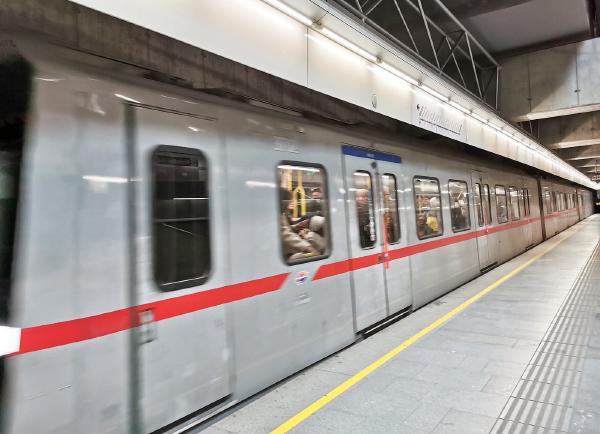
Vienna City Card — the 48-hour or 72-hour card includes public transport and museum discounts. In winter, when you are relying more heavily on the U-Bahn and trams to avoid walking in the cold, the transport savings alone can justify the price.
For a complete breakdown of saving money in Vienna, see my Vienna on a budget guide.
Is Vienna Worth Visiting in Winter?#
Here is the honest breakdown:
| Pros | Cons |
|---|---|
| Christmas markets (Nov-Dec) are world-class | Cold — regularly below 0°C, sometimes -10°C |
| Atmospheric city — snow on baroque architecture | Short days — dark by 16:30 in December |
| Hotel prices 20-40% cheaper than summer | Schoenbrunn gardens and outdoor parks are bare |
| Significantly fewer crowds at major attractions | Some outdoor dining and rooftop bars close |
| Opera and classical music in full peak season | Grey, overcast days can stretch for a week |
| Coffee house culture feels most authentic | Walking tours are less comfortable |
| Ice skating at Rathausplatz (Jan-Mar) | Prater amusement park runs limited hours |
My honest take: if you are choosing between summer and winter for your only Vienna trip, summer gives you more versatility — outdoor dining, palace gardens in bloom, long evenings. But if you can visit twice, or if you specifically want Christmas markets, opera, museums, and lower prices, winter is not second-best. It is a different experience entirely, and a great one.
Frequently Asked Questions#
Does it snow in Vienna?#
Yes, but not reliably. Some winters bring heavy snowfall that blankets the city for weeks; others barely see a flurry. December through February is the snow window. When it does snow, the city is stunning — especially the view of Stephansdom and the Belvedere gardens covered in white.
How cold does Vienna get in winter?#
Daytime highs hover between 0°C and 5°C from December through February. Night-time lows regularly hit -5°C to -8°C, and during cold snaps, temperatures can drop below -10°C. Wind chill makes it feel several degrees colder, especially near the Danube.
Are Christmas markets free to enter?#
Yes, every Christmas market in Vienna is free to enter. You only pay for food, drinks, and anything you buy at the stalls. The Punsch cups usually require a deposit (EUR 2-4) that you get back when you return the cup — or you keep the cup as a souvenir.
What is there to do in Vienna in January?#
January is post-Christmas but still full of things to do. The Wiener Eistraum ice rink opens at Rathausplatz, the opera and concert season is in full swing, museums are uncrowded, and the coffee houses are at their coziest. It is the quietest month for tourism, which is either a pro or a con depending on what you want. The January sales also hit the shopping streets hard — Mariahilfer Strasse has significant discounts.
Is Vienna cheaper in winter?#
Yes, noticeably. Hotel prices are 20-40% lower than summer, and flights from most European cities drop as well. The exception is the Christmas week (roughly 20-31 December), when demand spikes. January and February offer the best value of the year.
Is Vienna worth visiting in winter 2026?#
Absolutely, and the case is stronger than many visitors expect. The five major Christmas markets (Rathausplatz, Schoenbrunn, Spittelberg, Karlsplatz, and Am Hof) run from mid-November to 26 December and are among the best in Europe. The Vienna State Opera performs almost every evening through June, with standing room tickets available at EUR 15. Hotels in January and February cost 20 to 40 percent less than in summer. Pack merino wool layers, waterproof boots, and a good scarf, and the cold becomes very manageable.
What is the best Christmas market in Vienna in 2026?#
For atmosphere, the Schoenbrunn Palace Market is unbeatable — the lit baroque palace behind the stalls is a genuinely magical backdrop. For artisan quality, the Spittelberg Market in the narrow cobblestone streets of the 7th district has the best handmade gifts and the most local crowd. For sheer scale, the Rathausplatz Christkindlmarkt with over 150 stalls and the illuminated City Hall is the one most visitors picture when they think of Vienna at Christmas. All three are free to enter and run from mid-November through late December.
How much does it cost to see the Vienna State Opera in winter 2026?#
The most affordable option is a standing room ticket at EUR 15, sold at the box office 80 minutes before curtain — these offer excellent sightlines and the same acoustic experience as the expensive seats. Seated tickets start at approximately EUR 15 for restricted-view positions and rise above EUR 200 for premium stalls. To secure standing room for popular productions, arrive at least 90 minutes before the box office opens, not 80. The Vienna Philharmonic’s Musikverein concerts have similar pricing structures, with standing room from around EUR 6.
Final Thoughts#
Vienna in winter is not for everyone — if you hate cold weather, short days will test your patience. But if you are willing to dress properly and lean into the indoor culture, you will experience a side of the city that summer visitors never see. The opera houses are full, the coffee is hot, the Christmas markets glow, and the Habsburgs built everything to be magnificent from the inside.
For planning your trip, these guides will help:
- 25 best things to do in Vienna — the complete attraction list
- 3 days in Vienna itinerary — a day-by-day plan that works in any season
- Where to stay in Vienna — best neighborhoods and hotels by budget