I have lived in Vienna for over a decade. I have walked every district, argued about the best Schnitzel, sat in the same Kaffeehaus for three hours nursing a single Melange, and watched tourists arrive with wildly different expectations — some leave completely smitten, others mildly confused. This guide is my honest attempt to help you figure out which camp you will fall into before you book your flight.
Why Vienna IS Worth Visiting#
The Architecture Will Stop You in Your Tracks#
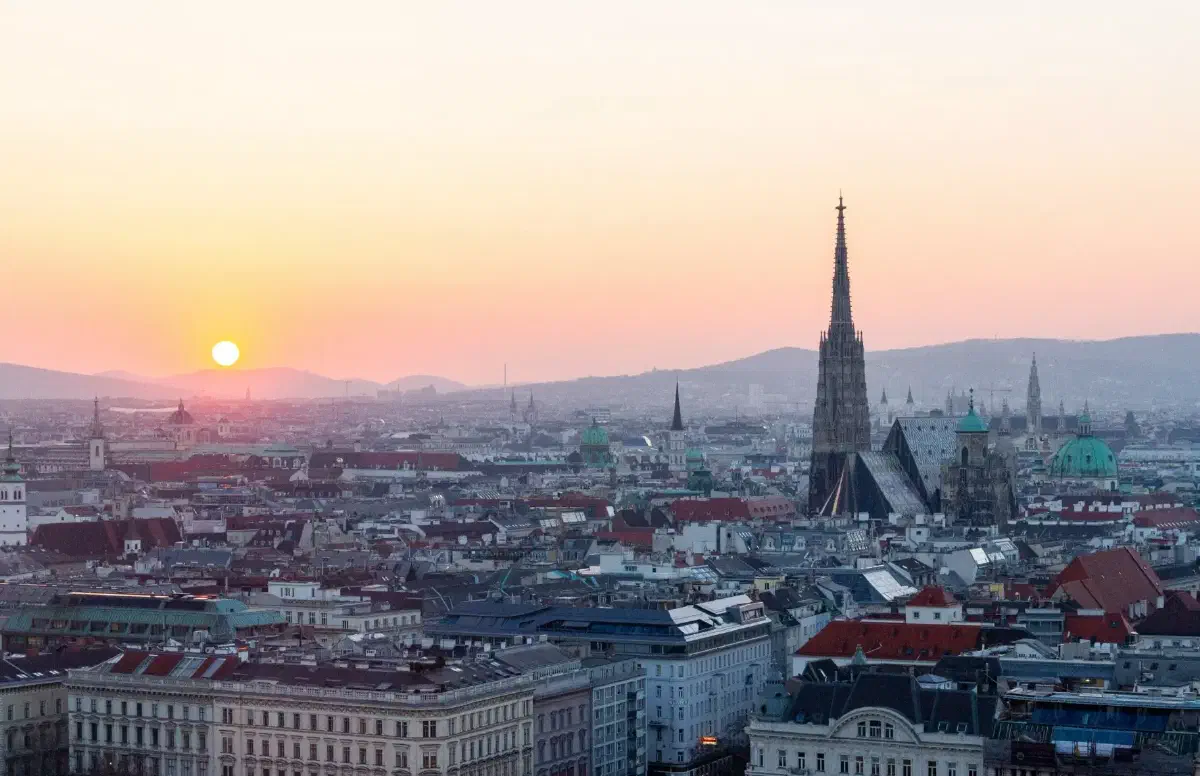
Vienna’s Ringstrasse boulevard is one of the great urban set pieces of the 19th century. The Kunsthistorisches Museum, the State Opera, the Burgtheater, the Parliament — all sitting within walking distance of each other, all built with an ambition that was almost comically grand. And then there is the Stephansdom cathedral looming over the first district, the Baroque grandeur of the Belvedere Palace, the imperial sprawl of Schönbrunn. If you care even slightly about built environments, Vienna will not disappoint.
This is not a city you experience through a phone screen — you feel it in your legs as you walk the cobblestones, and in your neck from craning upward. Check out our things to do in Vienna guide for a full overview of the main landmarks.
The Coffee House Culture is Unlike Anything Else#
Vienna’s coffeehouse tradition is a UNESCO-recognised cultural heritage. That is not marketing — it is a genuine social institution. You order a coffee, you get a glass of water alongside it, and nobody will ask you to leave for two hours. You can read a newspaper, write in a journal, argue about politics. The Melange, the Einspänner, the Fiaker — the menu alone takes some study.
Cafes like Café Central, Café Landtmann, and Café Hawelka are not tourist traps. They have been doing the same thing since the 19th century and have no intention of changing. I have written a full breakdown of where to go in the best coffee houses in Vienna guide.
The Food Scene is Seriously Underrated#
Most people do not come to Vienna for the food. They leave wishing they had paid more attention to it. Beyond the famous Wiener Schnitzel and Sachertorte, the city has a complex culinary identity shaped by the old Austro-Hungarian Empire: Hungarian goulash, Czech-influenced dumplings, Bosnian burek, incredible pastries from across Central Europe.
The Naschmarkt alone is worth half a day. The restaurant scene has matured enormously in the last decade — you will find everything from stellar tasting menus to brilliant cheap Beisl (neighbourhood taverns). See our where to eat in Vienna guide for where to start.
Classical Music at a Price That Makes No Sense#
Vienna is the classical music capital of the world, and tickets are cheaper here than almost anywhere else. Standing room at the Vienna State Opera costs €3–10. The Vienna Philharmonic rehearses here. Concerts run constantly at the Musikverein, the Konzerthaus, and dozens of smaller venues. If music matters to you, this alone justifies the trip.
Safety, Public Transport, and Walkability#
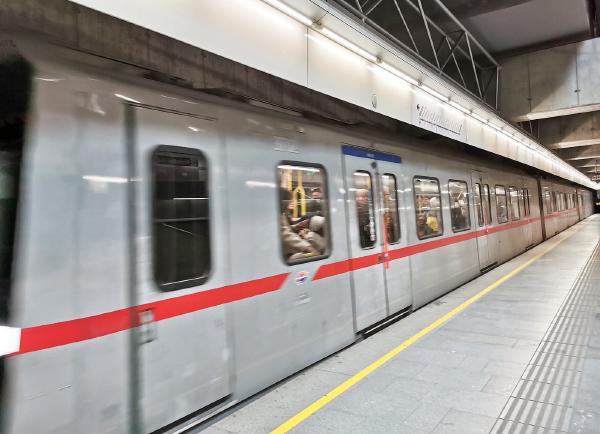
Vienna consistently ranks among the safest and most livable cities in the world — it has topped Mercer’s Quality of Living survey multiple times. The U-Bahn (metro) is clean, punctual, and runs until around midnight on weekdays (all night on weekends). Trams cover the gaps. The inner city is almost entirely walkable. Getting around is genuinely easy.
Day Trips That Rival the City Itself#
Within two hours of Vienna by train, you have Salzburg, the Wachau Valley wine region, Bratislava, and Budapest. Vienna sits at the centre of Central Europe, and the rail connections are excellent. It makes an outstanding base for a longer trip.
Reasons Vienna Might NOT Be for You#
I want to be honest here, because I think a lot of travel writing glosses over this.
The City Can Feel Formal and Reserved#
Viennese people are polite, but not warm in the way you might expect from, say, a Mediterranean city. There is a word — Schmäh — for a particular dry, ironic Viennese humour that takes time to appreciate. Shopkeepers and waiters can seem brusque. You may feel a certain emotional coolness in interactions, especially outside the tourist zones. This is not rudeness — it is just a different cultural register. But if you are after spontaneous friendliness, you might find Vienna a little stiff.
Nightlife is Not the Point Here#
Vienna has a nightlife scene — Prater and the area around Naschmarkt have bars, and there are clubs. But this is not Berlin. It is not Barcelona. If you are primarily planning a party trip, Vienna will leave you underwhelmed. The city winds down reasonably early by European capital standards, the clubs are not world-class, and the energy after midnight does not compare to cities with a genuine club culture.
Summer Heat and Crowds#
July and August in Vienna are increasingly hot — temperatures regularly hit 35°C and above in recent years, and the city was not built for it. Air conditioning is inconsistent. The tourist crowds are at their worst. The Viennese themselves tend to flee to the countryside or the lakes. It is still a good visit, but it is not the ideal season.
Sunday Closures Are Real#
Most shops in Vienna are closed on Sundays, including supermarkets and many restaurants. This is genuinely inconvenient if you are not used to it. The tourist-facing areas of the first district stay open, but if you venture out, plan around it.
Language in Outer Districts#
In the central tourist areas, English is widely spoken and menus are translated. In the outer districts and in older local establishments, you will encounter German-only menus and staff with limited English. This is not unusual for a European city, but it is worth knowing. A few basic German phrases go a long way.
Vienna vs Other European Cities#
Vienna vs Prague: Prague is arguably more photogenic and significantly cheaper. But Vienna is easier to navigate, has better food, and feels more like a functioning modern city rather than a museum piece. Both are worth visiting; they complement each other well.
Vienna vs Budapest: Budapest is cheaper, has a more vibrant nightlife, and the thermal bath scene is genuinely special. Vienna has better infrastructure, is safer, and the cultural institutions are a tier above. If budget is tight, Budapest wins on value. If you want comfort and quality, Vienna edges it.
Vienna vs Paris: Paris is a harder city to get right as a tourist — more chaotic, harder to navigate, more aggressively tourist-targeted in pricing. Vienna is calmer, cleaner, and in many ways easier to enjoy. Paris has more world-class museums, but Vienna’s collections are underestimated. If you find Paris overwhelming, Vienna is a very good alternative.
Who Will Love Vienna#
- Culture lovers and history buffs. The density of museums, palaces, galleries, and monuments in Vienna is extraordinary. You could spend a week and barely scratch it.
- Foodies. Especially those interested in Central European cuisine, pastry, wine, and coffee culture.
- Couples. Vienna is romantic in a serious, elegant way — opera nights, candlelit Beisl, long walks along the Ringstrasse. It is not cheesy-romantic, it is genuinely lovely.
- Older travellers. The city is easy on the body — flat, clean, walkable, with excellent public transport and no shortage of places to sit down. The pace suits people who want to savour rather than rush.
- Classical music fans. Obviously.
- Families with older children. The Prater, the Natural History Museum, Schönbrunn’s zoo — there is more for families than people expect. See our Vienna with kids guide.
Who Might Want to Skip It#
- Party travellers. Go to Berlin, Budapest, or Prague instead. Vienna is not your city.
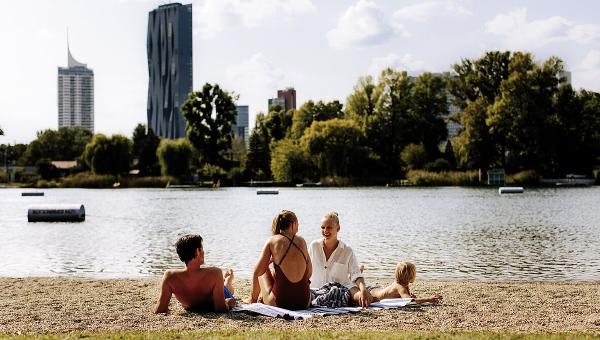
- Beach seekers. There is no sea. The Danube has swimming spots in summer, but this is not the Med.
- Budget backpackers on genuinely tight budgets. Vienna is not the most expensive city in Europe, but it is not cheap either. Hostels exist, but food and activities add up. If you are counting every euro, our Vienna on a budget guide will help you stretch things — but it takes real effort.
- Travellers who need constant stimulation. If you find cities that reward slow exploration dull, Vienna may feel too composed, too orderly, too polished for your tastes.
Best Time to Visit#
The honest answer is: late spring (May–June) or early autumn (September–October).
The weather is pleasant, the crowds are manageable, outdoor café terraces are open, and the city is fully operational. These are the months when Vienna shows itself at its best.
Christmas markets season (late November–December) is genuinely magical — Vienna does Christmas better than almost anywhere in Europe. See our Vienna Christmas markets guide for what to expect.
Summer is busy and increasingly hot but still perfectly good, especially if you plan carefully. Winter outside the Christmas period is cold and grey, but hotel prices drop and the cultural calendar is packed. See our guides on Vienna in winter and Vienna in summer for detailed seasonal breakdowns.
How Many Days Do You Need?#
The minimum is three days. With three full days, you can cover the main sights of the first district, visit one or two major museums, eat well, and get a feel for the city’s rhythm. It is not enough to do Vienna justice, but it works as an introduction.
Five to seven days is the sweet spot for most travellers — enough time to get past the highlights and into the city’s real character: the Naschmarkt on a Saturday morning, a concert at the Musikverein, a day trip to the Wachau, dinner at a local Beisl far from the tourist trail.
Our 3-day Vienna itinerary is a solid starting point if you are working with a shorter window — it maps out the most important experiences without wasting time.
Common Misconceptions About Vienna#
“It’s just a museum city.” People arrive expecting a beautiful but inert place preserved under glass. They discover a city of 1.9 million people with a thriving food scene, a dynamic arts world, and a genuinely functioning urban culture. Vienna is not stuck in 1900 — it just respects its own history more than most cities do.
“Everything is expensive.” Vienna is not cheap, but it is not Zurich. A Schnitzel at a good restaurant costs €15–22. A U-Bahn day pass costs €8. Coffee in a Kaffeehaus rarely tops €4–5. Budget carefully and you will find it manageable.
“The people are unfriendly.” They are reserved, not unfriendly. Once you navigate past the initial Viennese formality, most people are genuinely helpful. Learn to say Bitte (please) and Danke (thank you) and you will be treated well.
“Three days is plenty.” Three days is fine for a first visit. It is not enough to actually know Vienna. But it is a good reason to come back.
Practical Starting Points#
If you are getting serious about planning your trip, here is where to start:
- Accommodation: Our where to stay in Vienna guide breaks down all the main neighbourhoods and what to expect from each price range. For a quick booking, Booking.com has a solid Vienna inventory across all budgets.
- Tours: If you want a guided introduction to the city, GetYourGuide’s Vienna tours include excellent walking tours, Schönbrunn visits, and concert packages.
- First-time tips: Our first-time in Vienna guide covers the practical essentials — transport, money, what to know before you land.
Frequently Asked Questions#
Is Vienna worth visiting?#
Yes, Vienna is absolutely worth visiting for most travelers. It offers world-class architecture, a legendary coffeehouse culture, excellent classical music, and one of the safest and most walkable city centers in Europe. The main exceptions are party travelers or beach seekers, for whom cities like Berlin or Barcelona are a better fit.
How many days do you need in Vienna?#
Three full days is the minimum for a proper introduction — enough to cover the main sights, visit a museum or two, and get a feel for the city. Five to seven days is the sweet spot for most visitors, allowing time for day trips, local neighborhoods, and a concert or two.
Is Vienna more expensive than Prague or Budapest?#
Yes, Vienna is notably more expensive than both Prague and Budapest. A Schnitzel at a good restaurant costs EUR 15–22, a U-Bahn day pass is EUR 8, and coffee in a Kaffeehaus is EUR 4–5. Prague and Budapest offer similar cultural depth at significantly lower prices, though Vienna has better infrastructure and safety.
Is Vienna worth visiting in 2026?#
Yes, Vienna remains one of Europe’s most rewarding city trips in 2026. Prices are stable, the cultural calendar is packed year-round, and the city continues to top global livability rankings. Late spring (May–June) and early autumn (September–October) are the best times to visit for pleasant weather and manageable crowds.
What is the cheapest way to enjoy Vienna in 2026?#
Focus on free attractions: the Ringstrasse walk, Prater park, Naschmarkt, Stadtpark, and most churches cost nothing. Standing room at the Vienna State Opera costs EUR 3–15. A 72-hour transport pass is EUR 17.10. With careful planning, a full day of sightseeing can cost under EUR 30 per person.
Is Vienna safe for solo travelers in 2026?#
Vienna is one of the safest capital cities in Europe for solo travelers. It consistently tops global safety and livability rankings. The U-Bahn runs until midnight on weekdays and all night on weekends, the city center is well-lit and walkable, and violent crime is extremely rare even in outer districts.
Final Verdict#
Vienna is worth visiting. Unequivocally, for most travellers, it is worth it.
It is one of the great European cities — historically significant, architecturally stunning, culturally serious, and deeply livable. It will not blow you away with chaos or spontaneity. It will not give you a beach or a club that stays open until 8am. But it will give you one of the most rewarding, layered, genuinely beautiful urban experiences available in Europe.
The travellers I have seen leave disappointed are almost always people who arrived expecting something the city never promised. Vienna is dignified, a little grand, occasionally stiff, and quietly exceptional. If that sounds like your kind of city, it absolutely is.
Ready to start planning? Head to our complete 3-day Vienna itinerary — it is the best place to begin turning interest into an actual trip.