Introduction#
If you are planning your first time in Vienna, you are in for one of the best city trips Europe has to offer. Vienna consistently ranks among the most livable cities on the planet, and for good reason — world-class public transport, architecture that stops you in your tracks every other block, and a food scene that goes far beyond Schnitzel (though the Schnitzel alone is worth the flight).
I have lived in Vienna long enough to know what trips up first-time visitors. Some of these things I learned the hard way, others I picked up watching friends and family visit over the years. These 15 first time in Vienna tips cover the practical stuff — money, transport, food, culture — that will save you time, euros, and a few awkward moments at a coffee house.
The Tap Water Is Some of the Best in Europe#
This is the tip that surprises people the most. Vienna’s tap water comes directly from alpine springs in the Styrian and Lower Austrian mountains, traveling over 100 km through gravity-fed pipelines built in the 1870s. No pumps needed — the water flows downhill from the Alps straight into the city’s taps.
It tastes better than most bottled water you will find in a European supermarket. Restaurants serve it free if you ask for “Leitungswasser” (tap water), and over 1,000 public drinking fountains across the city run the same alpine water. Bring this travel water bottle and refill it everywhere.
Don’t Overpay for the Airport Transfer#
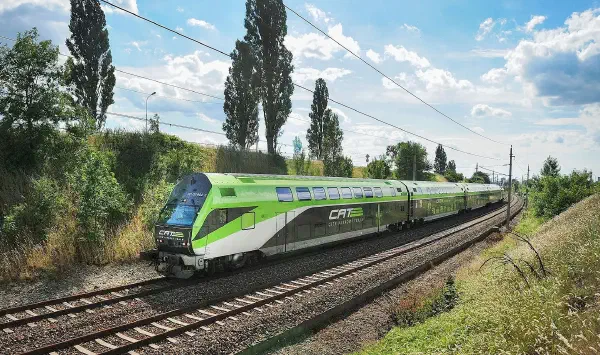
This is the most common first-timer mistake I see. You land at Vienna Airport, you see the flashy green signs for the CAT (City Airport Train) at EUR 14.90 one-way, and you assume that is the best option. It is not.
The S7 commuter train takes you from the airport to Wien Mitte station in 25 minutes for just EUR 4.40. That is the same station the CAT goes to, just nine minutes slower. From Wien Mitte, you connect to the U3 or U4 metro lines and reach anywhere in the city within 15 minutes. That EUR 10.50 per person adds up fast for couples or families. I wrote a full breakdown in my Vienna Airport to City Center guide.
Get a Weekly Transport Pass (Even for a Short Trip)#
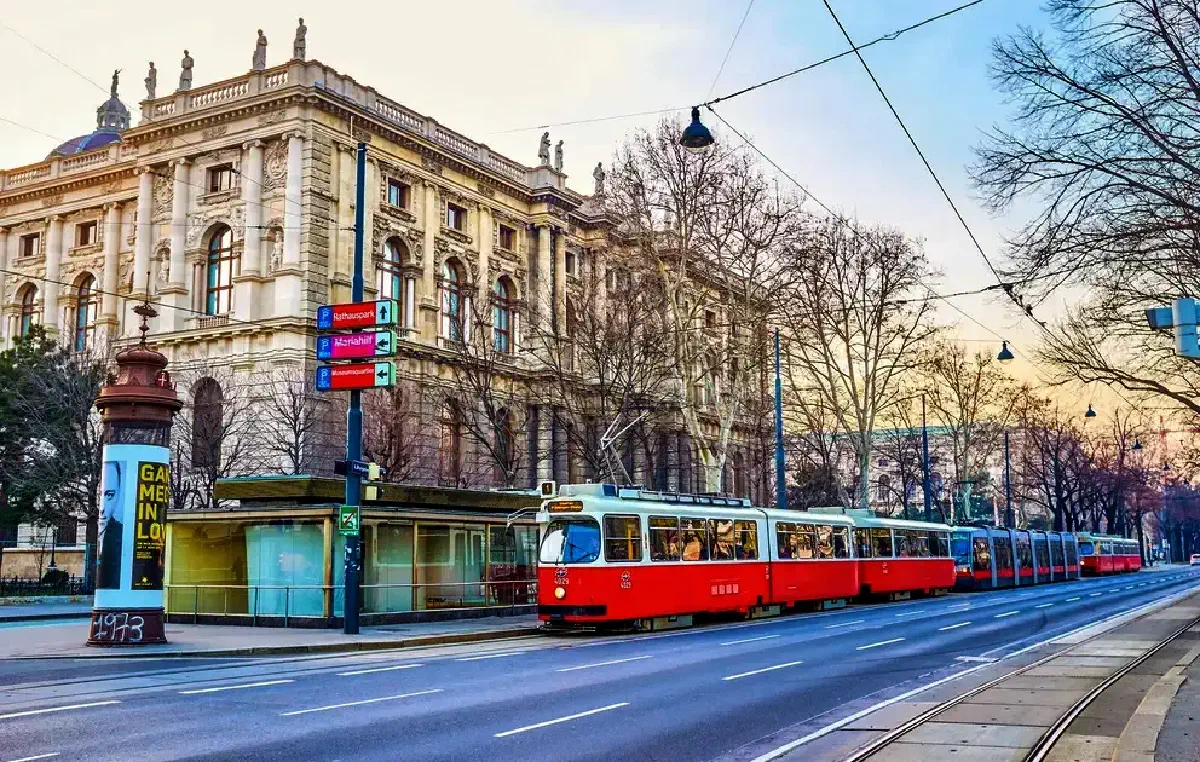
Vienna’s public transport is run by Wiener Linien and it is outstanding. Five metro lines, dozens of tram routes, buses that fill in the gaps, and night buses on weekends. Everything runs on time and everything is clean.
A single ticket costs EUR 2.40. A weekly pass costs EUR 17.10 and covers unlimited travel from Monday 00:00 to the following Monday 09:00. If your trip overlaps with a Monday start, the weekly pass pays for itself after just eight rides — and you will easily take eight rides. Wiener Linien also sells 24-hour (EUR 8.00), 48-hour (EUR 14.10), and 72-hour (EUR 17.10) passes. The 72-hour pass costs the same as the weekly — which is why the weekly is such a steal when timing works.
Vienna Is Incredibly Walkable#
Do not underestimate how compact Vienna’s center is. The entire Innere Stadt (1st district) sits inside the Ringstrasse, a grand boulevard that loops around the old town in roughly 5 km. You can walk that loop in about an hour, passing the Opera House, Parliament, City Hall, and the Burgtheater.
Most major sights — Stephansdom, Hofburg Palace, the MuseumsQuartier, Albertina, Naschmarkt — sit within a 20-minute walk of each other. On a nice day, walking is the best way to experience Vienna. You will notice details you would miss on the U-Bahn: Art Nouveau facades, hidden courtyards, the window displays of old bakeries.
Wear comfortable shoes. The cobblestones are charming but unforgiving after 15 km of walking.
Tipping Is Expected but Not American-Style#
Tipping culture in Vienna falls somewhere between the US (where 20% is standard) and Japan (where tipping is unusual). The local approach is simple: round up the bill or add 5-10%.
If your restaurant bill is EUR 27.50, you hand the waiter EUR 30 and say “Stimmt so” (that is correct / keep the change). If the bill is EUR 43, you might leave EUR 47 or EUR 48. At a coffee house, rounding up to the nearest euro or adding a euro on top is perfectly fine. For a taxi, same thing — round up.
One important thing: cash is still king in many traditional restaurants and coffee houses. Vienna is not as card-friendly as Amsterdam or Stockholm. Most restaurants accept cards now, but some of the oldest and best Beisln (traditional Viennese pubs) and coffee houses are cash-only or strongly prefer it. Carry at least EUR 50 in small bills and coins.
Sundays Are Quiet (Plan Accordingly)#
Austria takes Sunday rest seriously. Almost all shops, supermarkets, and retail stores are closed on Sundays. This is not a suggestion — it is the law. If you need groceries, toiletries, or a phone charger, buy them on Saturday.
The good news: restaurants, coffee houses, and museums are open on Sundays, so your sightseeing is not affected. Sundays are actually great for the things Vienna does best — lingering over brunch, strolling through the Prater, or visiting a museum without the weekday school groups.
The Naschmarkt is closed on Sundays, but certain flea markets run on weekends. Check specific dates before you plan around a Sunday market visit.
Learn Three German Phrases#
You do not need to speak German to visit Vienna. English is widely spoken, especially in the tourist areas, hotels, and restaurants. But knowing a few phrases goes a surprisingly long way with locals.
Grüß Gott (pronounced “grews got”) — This is how Austrians say hello. It literally means “God greets you” but it is used the way you would say “hi” when walking into a shop or restaurant. Use it instead of “Hallo” and you will immediately sound less like a tourist.
Zahlen bitte (pronounced “tsah-len bit-uh”) — “The bill, please.” Use this at any restaurant or coffee house when you are ready to leave. The waiter will come to your table with a leather folder and a mental calculation that would put your calculator to shame.
Danke (pronounced “dahn-kuh”) — “Thank you.” Simple, universal, appreciated.
Locals genuinely appreciate the effort. Even if they switch to English immediately (they usually do), starting with “Grüß Gott” sets a warmer tone for the whole interaction.
Don’t Just Stay in the 1st District#
The 1st district (Innere Stadt) is where most of the famous sights are, and it is beautiful. But it is also the most expensive, most crowded, and least authentic part of Vienna. Staying here is like staying in Times Square and assuming that is what New York feels like.
Neubau (7th district) is where I send everyone who asks. It is Vienna’s creative quarter — independent boutiques, natural wine bars, excellent brunch spots, street art, and a 10-minute walk to the MuseumsQuartier. Hotels and apartments here cost 30-40% less than the 1st district.
Leopoldstadt (2nd district) sits across the Danube Canal and has exploded in the last few years. The Karmelitermarkt is one of the best neighborhood markets in the city, and the Prater is right there. Josefstadt (8th district) is quieter, more residential, full of old Viennese charm and excellent neighborhood restaurants.
All three districts are 10-15 minutes from the city center by U-Bahn or tram. I cover the pros and cons of each neighborhood in my Where to Stay in Vienna guide.
Coffee Houses Have Unwritten Rules#
The Viennese coffee house is a UNESCO Intangible Cultural Heritage for a reason. It is not a Starbucks. It is not a place to grab a quick espresso. It is a living room, an office, a reading room, and a social club — and it has been that way since the 1600s.
Here are the rules nobody tells you:
You can sit for hours with a single Melange. No one will rush you. Ordering one coffee and sitting for two hours with a newspaper is not only acceptable, it is the entire point. Your coffee comes with a small glass of water on a silver tray — when it is empty, the waiter brings a fresh glass.
The grumpy waiter is part of the experience. Viennese waiters at traditional coffee houses are famously curt. This is not bad service — it is a cultural institution called the “Wiener Grant” (Viennese grumpiness). Address your waiter as “Herr Ober” and you will earn a nod of respect.
Order by the proper name. A “Melange” is Vienna’s cappuccino. A “Verlängerter” is a long black. A “Kleiner Brauner” is a small coffee with cream. Asking for “a coffee” is like walking into a Bordeaux wine bar and asking for “some red.”
I wrote a full guide to my favorite spots, including which ones are worth the tourist crowds and which hidden gems the locals prefer, in my Best Coffee Houses in Vienna article.
The Vienna City Card Is Probably Not Worth Your Money#
Every major European city sells a tourist card that bundles transport and museum discounts, and every one of them relies on you not doing the math. The Vienna City Card is no exception.
The card costs EUR 17-40 depending on duration and includes unlimited public transport plus discounts (not free entry) at museums and attractions. Most discounts are just 10-20% off, and the transport component is no cheaper than a Wiener Linien pass.
I ran the numbers in my Is the Vienna City Card Worth It? breakdown. For most visitors, buying a weekly transport pass and individual museum tickets is cheaper. The card only makes sense if you plan to visit five or more paid attractions in 72 hours.
Book Schoenbrunn Tickets in Advance#
Schoenbrunn Palace is Vienna’s most-visited attraction and it operates on a timed-entry system. During peak season (May through September), morning time slots sell out days in advance. Showing up without a ticket and hoping to walk in is a gamble you will probably lose.
Book your tickets online at least a week ahead. The Imperial Tour (22 rooms, about 30-40 minutes) is the standard option. The Grand Tour (40 rooms, about 50-60 minutes) adds the Maria Theresa-era rooms and is worth the upgrade if you have any interest in history.
The palace gardens are free and open to the public year-round. Even if you skip the interior, the gardens alone — especially the Gloriette hill with its panoramic view over Vienna — are worth an hour of your time.
I compared all the ticket options and tour packages in my Best Schoenbrunn Tours guide.
Standing-Room Opera Tickets Are EUR 3-4#
The Vienna State Opera (Wiener Staatsoper) is one of the most prestigious opera houses in the world. A regular seat in the stalls costs EUR 150-300. A standing-room ticket costs EUR 3-4. Same performance, same acoustics, same building — you just stand instead of sit.
Standing-room tickets go on sale at the box office 80 minutes before each performance. For a standard weeknight show, arriving 90 minutes before curtain is usually enough. For Mozart or Verdi, get there earlier.
Once inside, regulars tie scarves to the rail to claim their spot — this is the accepted system. Pick a center rail spot for the best sightlines. Even if you have never been to an opera, doing this once in the Staatsoper is an unforgettable experience.
Austrian Food Is Not German Food#
Austrian cuisine has its own identity, shaped by centuries of the Habsburg Empire pulling influences from Hungary, Czech lands, Northern Italy, and the Balkans. Calling it “German food” in Vienna will earn you a look.
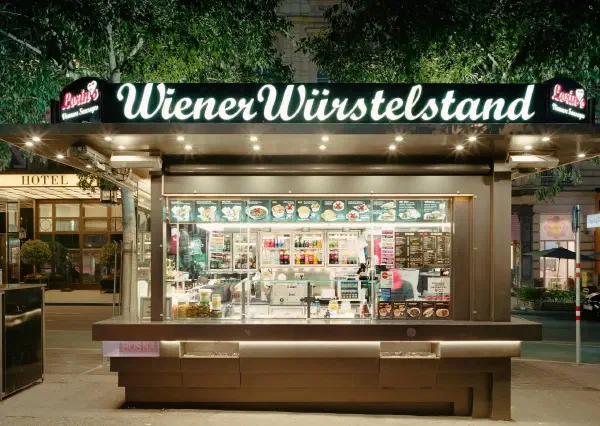
Wiener Schnitzel is the signature dish, and the real version is made with veal, not pork. If the menu says “Wiener Schnitzel vom Schwein,” that is pork — still delicious, but not the traditional preparation. A proper veal Schnitzel should hang over the edges of the plate with a golden crust that puffs away from the meat.
Tafelspitz is boiled beef with apple-horseradish sauce — Emperor Franz Joseph’s favorite dish for a reason. Kaiserschmarrn is a torn-up fluffy pancake with powdered sugar and plum compote, served as a main dish, not a dessert.
For a full rundown of what to eat and where, check my Where to Eat in Vienna guide.
The Best Views Are Free#
You do not need to pay for a rooftop bar or observation deck to see Vienna from above. Some of the best panoramic views in the city cost nothing.
Kahlenberg is a hill on the northern edge of the city, reachable by bus 38A from Heiligenstadt station (U4). From the top, you see the entire Vienna basin and the Danube. Pair it with a walk through the vineyards to Nussdorf for one of the best half-day outings in Vienna.
Danube Island (Donauinsel) is a 21 km island in the middle of the Danube with wide-open skyline views. The U1 drops you right there at Donauinsel station.
Justizpalast Rooftop is one of the city’s best-kept secrets. The Palace of Justice has a free public rooftop terrace with a direct view over the Volksgarten, Parliament, and Rathaus. Most tourists have no idea it exists.
Stephansdom North Tower has an elevator (EUR 6) and provides the most central aerial view of the city — rooftops, spires, and the Vienna Woods in the distance.
Vienna Is One of the Safest Cities in the World#
Vienna regularly ranks in the top five safest cities globally according to the Economist Intelligence Unit’s Safe Cities Index. This is not just a statistic — you feel it on the ground.
I walk home through the city at 2 AM without a second thought. The U-Bahn is safe at any hour. There are no neighborhoods in the tourist areas where you need to watch your back. Pickpocketing exists, as it does in any European capital, but violent crime against tourists is essentially unheard of.
For solo travelers, especially women traveling alone, Vienna is as good as it gets in Europe. Streets are well-lit, public transport runs all night on weekends (NightLine buses on weeknights), and the general atmosphere is calm. Use common sense — keep your bag closed on the U6 during rush hour — and you will be fine.
FAQ#
Is Vienna safe for solo travelers?#
Yes. Vienna consistently ranks among the safest cities in the world. Public transport runs all night on weekends, streets are well-lit, and violent crime is extremely rare. Solo female travelers frequently rate it as one of the most comfortable cities in Europe. Normal pickpocketing precautions apply at crowded spots like Stephansplatz.
How many days do you need in Vienna?#
Three full days is the sweet spot for a first visit. That gives you enough time to see the major sights (Schoenbrunn, Stephansdom, the Hofburg, the MuseumsQuartier), explore a few neighborhoods, and spend an afternoon at a coffee house without feeling rushed. If you want to add day trips — Wachau Valley, Bratislava, or the Vienna Woods — budget four to five days. I put together a detailed 3 Days in Vienna Itinerary that covers the best approach.
What is the best time to visit Vienna?#
April through June and September through October are the best months. The weather is mild, the crowds are manageable, and outdoor activities (heuriger wine gardens, Danube cycling, park picnics) are all in play. July and August are hot and busy with tourists. November through March is cold but has its own appeal — Christmas markets (late November to December), opera season in full swing, and significantly lower hotel prices. Read my Vienna in Winter guide for the full picture.
Do I need to speak German in Vienna?#
No. English is widely spoken in hotels, restaurants, museums, and shops. Younger Viennese especially speak excellent English. That said, learning a few basic phrases (Grüß Gott, Danke, Zahlen bitte) is appreciated and sets a friendlier tone. You will never be stranded or unable to communicate in English — Vienna is one of the most tourist-friendly cities in Europe in that regard.
Is Vienna worth visiting for the first time in 2026?#
Yes — Vienna in 2026 remains one of the most rewarding first-time city trips in Europe. Standing-room tickets at the Staatsoper cost just EUR 3–4, the weekly public transport pass is EUR 17.10, and the Schoenbrunn Palace gardens are completely free. The city ranked first in the Economist Intelligence Unit’s liveability index for multiple years running and consistently scores in the top five globally for safety. There has never been a bad time to visit, but spring (April–June) and early autumn (September–October) offer the best weather and most manageable crowds.
What is the cheapest way to get from Vienna Airport to the city center in 2026?#
The cheapest option is the S7 commuter train at EUR 4.40, which runs from Vienna Airport to Wien Mitte station in 25 minutes — the same terminus as the EUR 14.90 CAT (City Airport Train), just nine minutes slower. Buy your S7 ticket at the red OBB machine on the platform or through the OBB app before boarding. From Wien Mitte, the U3 and U4 metro lines connect you to the rest of the city within 15 minutes.
How much does a week in Vienna cost in 2026?#
A budget traveler can manage EUR 60–80 per day: a hostel dorm for EUR 20–30, the weekly transport pass for EUR 17.10 total, a pork Schnitzel at Schnitzelwirt for EUR 10.90, and free sights like the Schoenbrunn gardens and Kahlenberg hill. Mid-range travelers with a private hotel room, museum entries (EUR 10–21 each), and sit-down restaurant meals should budget EUR 150–200 per day. The standing-room opera at EUR 3–4 is the best value cultural experience in any European capital.
Conclusion#
Vienna is one of those rare cities that lives up to the hype and then exceeds it. It is beautiful without being a museum piece, historic without being stuck in the past, and efficient without losing its soul. These 15 tips should save you money, time, and a few cultural missteps — but honestly, Vienna is a hard city to get wrong.
For your next step, grab my 3 Days in Vienna Itinerary for a day-by-day plan, browse my Things to Do in Vienna list for ideas beyond the obvious, or check out Vienna on a Budget if you want to experience the city without burning through your savings.
Have a specific question I did not cover? Drop it in the comments and I will answer from a local’s perspective.