Introduction#
If you’re searching for the best Vienna food tours, you’re already thinking about this city the right way. Viennese food culture is layered, old, and deeply specific — but it’s not obvious. You can walk past a Beisl, a Würstelstand, and a 200-year-old bakery and have no idea what you’re looking at, what to order, or why any of it matters. A good food tour fixes that in three hours.
I’ve done seven food tours in Vienna over the past few years. A few were genuinely great. One was a rip-off. This guide compares all seven so you can pick based on what matters to you — budget, depth, food quality, or a good night out.
Vienna is not a city where you need a food tour to eat well — the restaurant scene is approachable and menus are in English. But a food tour gives you something menus can’t: context. Why Viennese coffee culture got UNESCO status. Why Tafelspitz was an emperor’s obsession. Why a Käsekrainer at 2 AM is a civic ritual. That context changes how you eat for the rest of your trip.
Quick Comparison: All 7 Vienna Food Tours#
| Tour | Duration | Tastings | Group Size | Price | Rating | Best For |
|---|---|---|---|---|---|---|
| Naschmarkt Food & Culture | 3 hrs | 8–10 | 12–15 | EUR 75–85 | 9/10 | First-timers, all-rounders |
| Traditional Viennese Food Walk | 3.5 hrs | 7–9 | 10–15 | EUR 70–90 | 8/10 | Classic Viennese food |
| Wine & Cheese Tasting | 2 hrs | 5 wines + 4 cheeses | 8–10 | EUR 55–65 | 8/10 | Couples, wine lovers |
| Evening Heuriger Wine Tavern | 4 hrs | Buffet + 3–4 wines | 12–20 | EUR 80–100 | 9/10 | Foodies, cultural experience |
| Coffee House Tour | 2.5 hrs | 3 coffees + 3 cakes | 10–12 | EUR 50–60 | 7.5/10 | Coffee lovers, history buffs |
| Craft Beer & Street Food | 3 hrs | 4 beers + 5 bites | 10–15 | EUR 65–75 | 7.5/10 | Younger travelers, beer fans |
| Free Food Walking Tour | 2 hrs | 3–4 | 15–25 | Free (tips) | 7/10 | Budget travelers |
1. Naschmarkt Food & Culture Tour#
The one to do if you only do one#
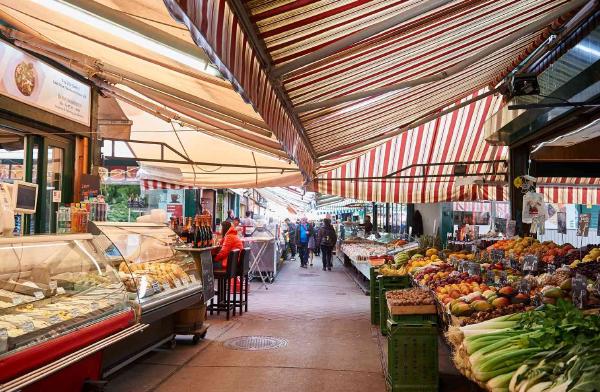
The food tour I recommend to almost everyone. It starts at the Naschmarkt — Vienna’s biggest open-air market — and spends two hours weaving through stalls with a guide who knows the vendors by name. The last hour covers surrounding streets in the 6th district for sit-down tastings.
What you eat and drink: On my last run: olive oils and balsamic at a Mediterranean stall, Austrian cheeses, Leberkässemmel (warm meatloaf sandwich — don’t think about it, just eat it), Turkish börek from a stand that’s been there 30 years, Viennese potato salad, and strudel with a Melange at a café off Kettenbrückengasse. Exact stops rotate, but the quality is consistent.
Guide quality: This is where the tour earns its price. The guides aren’t just food people — they’re culture people. Mine explained the Ottoman influence on Viennese cuisine, why the Naschmarkt exists where it does (it’s built over the Wien River), and the difference between the tourist-facing stalls and the ones locals actually shop at.
Who it’s best for: First-time visitors, curious eaters, anyone who wants a broad introduction to Viennese food culture.
What could be better: Groups can feel large around small market stalls. Saturday tours are busiest — weekday mornings are noticeably more relaxed.
Naschmarkt Food & Culture Tour
A 3-hour guided tour through Vienna’s largest open-air market and the surrounding 6th district, with 8–10 tastings ranging from Austrian cheeses and Leberkässemmel to strudel and Turkish börek. Small groups of 12–15.
2. Traditional Viennese Food Walking Tour#
Schnitzel, strudel, sausage, and a coffee house — the greatest hits#
Where the Naschmarkt tour is about market culture, this one is about the classics. The route stays in the 1st district, hitting what Vienna is famous for: Wiener Schnitzel, Apfelstrudel, Würstelstand sausage, and a full coffee house sit-down.
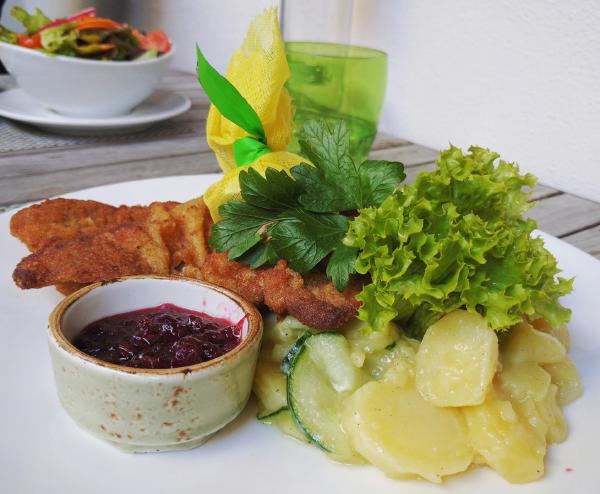
What you eat and drink: Käsekrainer at a Würstelstand, Wiener Schnitzel at a Beisl, Apfelstrudel with vanilla sauce, Sachertorte, open-face sandwiches at Trzesniewski, and a Melange at a traditional Kaffeehaus. Some versions include Tafelspitz broth or goulash. You won’t be hungry for hours.
Guide quality: Solid. Mine was an Austrian food historian who explained why Wiener Schnitzel is technically Milanese in origin (don’t tell the Austrians) and how the Würstelstand culture became a uniquely Viennese late-night institution.
Who it’s best for: Visitors who want to check the big Viennese food boxes in a single afternoon.
What could be better: The 1st district route means tourist-heavy streets. Some stops feel chosen for convenience over quality — the best schnitzel in Vienna is at Figlmüller or Gasthaus Pöschl, and not every tour uses those.
Traditional Viennese Food Walking Tour
A 3.5-hour walk through the 1st district hitting Viennese classics: Käsekrainer at a Würstelstand, Wiener Schnitzel at a Beisl, Apfelstrudel, Sachertorte, and a sit-down Melange at a traditional Kaffeehaus.
3. Vienna Wine & Cheese Tasting#
Small group, focused, and surprisingly educational#
Austria produces exceptional wine that most visitors know nothing about. This tasting session — usually held in a wine bar or cellar in the inner city — is a proper introduction to Austrian varieties you won’t find at home: Grüner Veltliner (the white that goes with everything), Blaufränkisch (a medium-bodied red unique to the region), Zweigelt, and Gemischter Satz (a Viennese field blend from grapes grown together in the same vineyard).
What you eat and drink: Five wines in a tasting progression from light whites to full reds. Four Austrian cheeses alongside — a sharp Bergkäse from Vorarlberg, a creamy Schlierbacher from Upper Austria, a semi-hard from the Bregenzerwald, and a local goat cheese. Some sessions include cured meats or bread.
Guide quality: My session was led by a certified sommelier from the Wachau wine region. She broke down why Austrian wine was nearly destroyed by the 1985 wine scandal and how the industry rebuilt itself into one of Europe’s most respected.
Who it’s best for: Couples, wine enthusiasts, anyone who wants a quieter experience without walking 10,000 steps.
What could be better: Two hours feels short. By the time you’re into the reds, it’s wrapping up. I’d pay EUR 20 more for a three-hour version.
Vienna Wine & Cheese Tasting
A 2-hour seated tasting in a wine bar or cellar covering five Austrian wines — Grüner Veltliner, Blaufränkisch, Zweigelt, and Gemischter Satz — paired with four regional cheeses. Small group of 8–10.
4. Evening Heuriger Wine Tavern Experience#
My personal favorite — the one that feels like a secret#
A Heuriger is a wine tavern unique to Vienna where local winemakers serve their own wine alongside a cold buffet. They’re clustered in the hills of Grinzing and Neustift am Walde — outer districts most tourists never reach. This tour handles the logistics: pickup from the center, 20-minute drive to the vineyards, and an evening at a traditional Heuriger.
What you eat and drink: Self-serve buffet — Schweinsbraten (roast pork), Liptauer (spiced cheese spread), salads, pickled vegetables, Schmalz (lard spread — better than it sounds), cold cuts, and a warm special. The wines are the Heuriger’s own production: young, fresh whites and lighter reds. Three to four glasses included; more for EUR 3–4 each.
Guide quality: More of a host than a guide — they explain Heuriger culture, point out what’s good on the buffet, and share the history of Vienna’s urban winemaking (Vienna is the only major capital with significant vineyards within city limits). After the introduction, they leave you alone to enjoy the evening. Exactly right.
Who it’s best for: Foodies who want something authentic. Anyone who’s done the city center and wants a side of Vienna that doesn’t involve a museum. This is the tour I do when friends visit.
What could be better: Group size can feel large — you’re sharing long communal tables, which is traditional but not intimate. Also, confirm the pickup time for the ride back.
Evening Heuriger Wine Tavern Experience
A 4-hour evening at a traditional Heuriger wine tavern in the hills outside Vienna, including pickup from the center, a self-serve buffet of Schweinsbraten, Liptauer, and cold cuts, and 3–4 glasses of the winery’s own wines.
5. Vienna Coffee House Tour#
Three cafés, three centuries of history, too much cake#
Vienna’s coffee houses are UNESCO-protected cultural institutions, and this tour visits three of them in a single afternoon. You’ll learn the difference between a Melange and an Einspänner, understand why no self-respecting Viennese person orders a “latte,” and eat more cake than is medically advisable.
What you eat and drink: Three sit-down stops. Typical route: Café Central (Melange + Apfelstrudel), a mid-range traditional house like Café Sperl (Einspänner + Sachertorte), and a smaller local favorite like Café Jelinek (Kleiner Brauner + seasonal pastry). The guide orders for you — you’ll try things you wouldn’t have picked yourself.
Guide quality: Entertaining, focused more on anecdotes than culinary depth. Great on history — Trotsky at Central, Freud at Landtmann, the 1990s crisis when nobody under 50 went to coffee houses anymore. Less strong on the actual coffee itself.
Who it’s best for: Anyone who loves coffee house culture, history, and pastries. Also a solid rainy-day activity.
What could be better: The price feels steep. You’re paying EUR 50–60 for three coffees and three pastries that would cost EUR 35 if you walked into the same cafés yourself. The value is entirely in the guide’s commentary.
Vienna Coffee House Tour
A 2.5-hour guided tour of three historic Viennese coffee houses, with a sit-down coffee and pastry at each stop. Covers the history and unwritten rules of Kaffeehaus culture, including how to order properly.
6. Craft Beer & Street Food Tour#
Vienna’s modern food scene gets its moment#
Vienna’s craft beer scene has exploded in the last decade. This tour starts at Karmelitermarkt in the 2nd district — a smaller, more local market than the Naschmarkt — and winds through Leopoldstadt, hitting microbreweries, street food stalls, and newer restaurants doing interesting things with Viennese ingredients.
What you eat and drink: Four craft beers from local breweries like Bierol, Brew Age, or Xaver — Vienna Lager (the city invented this style in the 1840s), IPAs, and seasonal sours. Food: falafel or shawarma from Karmelitermarkt, a gourmet burger or pulled pork sandwich, an Asian-Viennese fusion bite, cheese-stuffed pretzel bread, and dessert. Lineup changes seasonally.
Guide quality: My guide was a craft beer enthusiast who ran a beer blog on the side. Knew every brewer personally and explained why Vienna Lager is historically significant (one of the first amber lager styles, influenced beer-making globally). Less polished than the traditional tour guides, but more genuinely passionate.
Who it’s best for: Younger travelers, beer fans, anyone who’s done the traditional food scene and wants something different. Not ideal if you don’t drink beer.
What could be better: The least consistent of the seven. Routes change depending on which vendors are open. A friend did it a month after me and had a noticeably different experience. Also, EUR 65–75 for four beers and five small bites is expensive — you could self-guide through the same area for half the price.
Craft Beer & Street Food Tour
A 3-hour tour through Leopoldstadt’s Karmelitermarkt and surrounding streets, sampling four local craft beers — including Vienna Lager, IPAs, and seasonal sours — alongside five street food bites from market stalls and newer restaurants.
7. Free Food Walking Tour (Tip-Based)#
The budget option that actually works#
“Free” is doing some heavy lifting here. Tastings aren’t included — you buy your own food at each stop (EUR 10–15 total), and you tip the guide at the end. Most people tip EUR 10–20. Real cost: EUR 20–35, still the cheapest option by far.
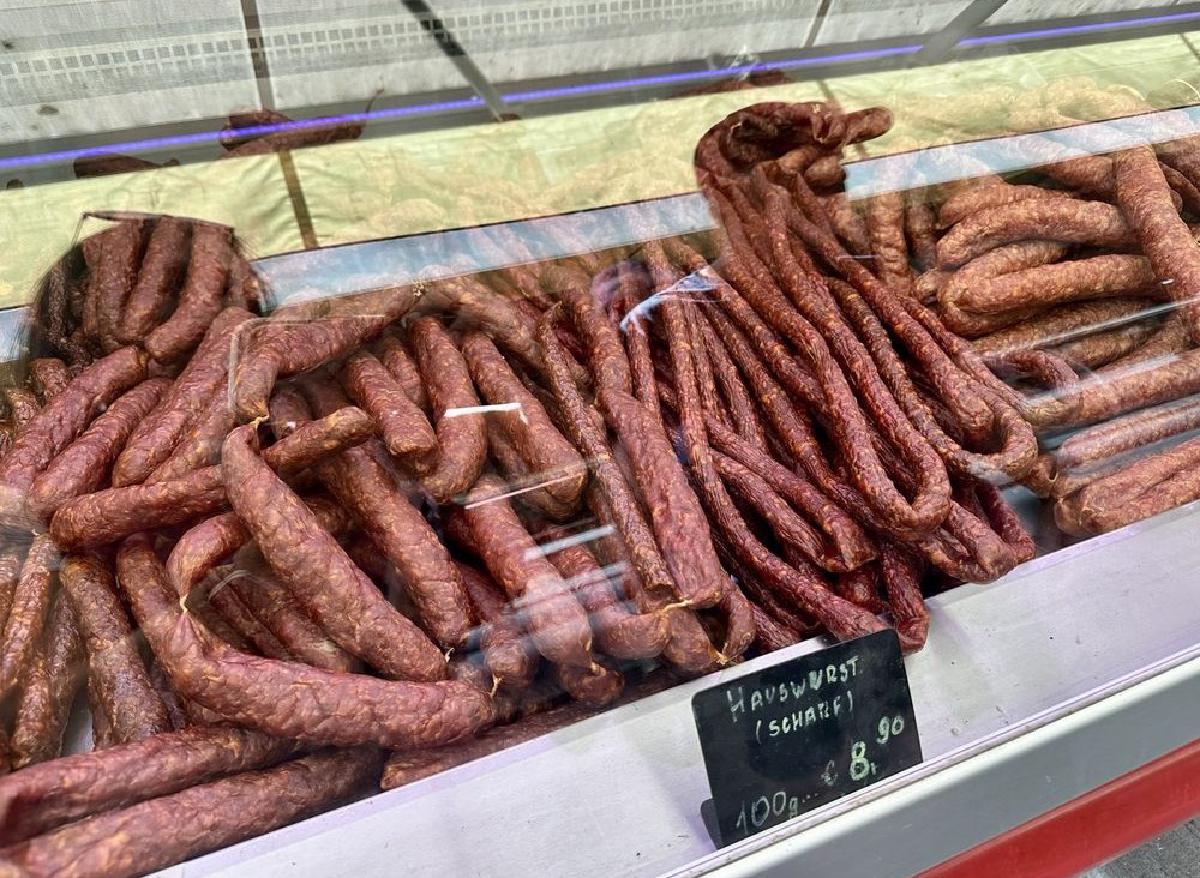
What you eat and drink: The basics: a Käsekrainer or Bosna at a Würstelstand (EUR 4–5), a pastry from a traditional bakery (EUR 3–4), a coffee at a Kaffeehaus (EUR 4–5), and sometimes a deli or cheese shop. A sampler, not a feast.
Guide quality: Variable. I’ve done this tour twice — one excellent guide (culinary school graduate who detoured to a hidden bakery) and one mediocre one (reading facts off her phone). You’re rolling the dice.
Who it’s best for: Budget travelers, backpackers, anyone who wants a quick food orientation without committing EUR 80+. Also good as a test run before upgrading to a paid tour.
What could be better: Groups are large (20–25 people), making it hard to hear and awkward at small sausage stands. Tastings are basic. And the tip-pressure at the end feels uncomfortable if the tour was mediocre.
Free Food Walking Tour
A 2-hour tip-based food walk visiting a Würstelstand, a traditional bakery, and a Kaffeehaus. You pay for your own food at each stop (EUR 10–15 total) and tip the guide at the end. Best for budget travelers wanting a quick food introduction.
Which Tour Should You Pick?#
If you’re still unsure, here’s the shortcut by traveler type:
First time in Vienna → Naschmarkt Food & Culture Tour. Broadest introduction, sets you up for the rest of the trip. Book it here.
Serious foodie → Evening Heuriger Wine Tavern Experience. Shows you something you’d struggle to find alone. Book it here.
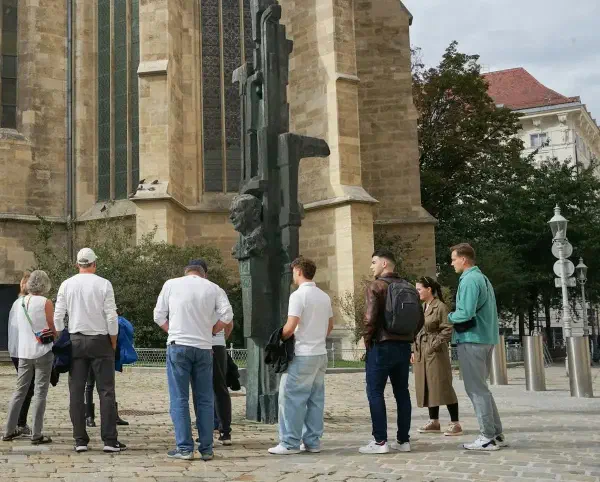
On a budget → Free Food Walking Tour. EUR 20–35 total for a decent overview.
Coffee obsessed → Coffee House Tour. Stunning cafés, great pastries, and you’ll learn the coffee vocabulary. Book it here.
Couples → Wine & Cheese Tasting. Intimate group, relaxed pace, no walking in the rain.
Already done the classics → Craft Beer & Street Food Tour. The modern Vienna food scene the traditional tours ignore. Book on Viator.
Tips for Getting the Most Out of Your Food Tour#
Skip breakfast. Every food tour I’ve done involved more food than expected. Hotel breakfast at 8:00 plus a 10:00 AM tour with 8 tastings = miserably full by stop four. Have a coffee, nothing more.
Wear comfortable shoes. You’re walking 4–8 km on cobblestones. Not the day for new shoes.
Mention dietary restrictions at booking. Most tours accommodate vegetarian, gluten-free, or lactose-free diets with advance notice. Vienna is a meat-and-pastry city — vegan options on food tours are limited.
Tip your guide. On paid tours, EUR 5–10 per person is standard. On the free tour, EUR 10–20. Most of the paid tour price goes to the company, not the guide.
FAQ#
Are Vienna food tours worth it?#
Yes, if you want context — understanding why Viennese food is the way it is, not just eating it. If you only want good meals, skip the tour and use our restaurant guide instead. Best value: the Naschmarkt tour and the Heuriger evening (hard to replicate on your own). Hardest to justify: the coffee house tour, since you’re mostly paying for a guide to walk you between cafés you could visit alone.
How much does a food tour cost in Vienna?#
EUR 50–100 per person for paid tours. The Naschmarkt and traditional food tours run EUR 70–90 including all tastings. The Heuriger evening is EUR 80–100 but includes transport and a full meal — arguably the best value. Budget option: the free tour costs EUR 20–35 all-in (food + tip).
Can food tours accommodate dietary restrictions?#
Most paid tours handle vegetarian, gluten-free, and lactose-free diets with advance notice at booking. Vegan is trickier — Viennese cuisine is built on butter, cream, lard, and meat. If you’re vegan, the craft beer and street food tour offers the most flexibility.
Should I eat before a food tour?#
No. A coffee is fine, but skip a real meal. Every tour I’ve done involved more food than advertised. The Naschmarkt tour’s “tastings” are often generous portions, and the traditional tour includes a full schnitzel serving. Show up hungry.
What food is Vienna famous for?#
The essentials: Wiener Schnitzel (breaded veal cutlet), Tafelspitz (boiled beef in broth), Sachertorte (chocolate cake with apricot jam), Apfelstrudel, Käsekrainer (cheese-filled sausage), and the entire coffee house tradition. Beyond the classics: excellent bread, strong Turkish and Balkan influence, world-class wine made within city limits, and Heuriger tavern culture found nowhere else. See our guides to the best schnitzel and the best coffee houses.
Is the Naschmarkt food tour worth it in Vienna in 2026?#
Yes — the Naschmarkt Food & Culture Tour (EUR 75–85) is the top-rated food tour in Vienna in 2026. You get 8–10 tastings over three hours including Austrian cheeses, Leberkässemmel, Turkish börek from a stand that’s been at the market for 30 years, strudel, and a sit-down Melange at a café off Kettenbrückengasse. The guides know the vendors personally and explain the cultural context behind each food. Book a weekday morning slot — Tuesday or Wednesday at 10:00 is ideal, as Saturday tours are noticeably more crowded.
What is the best food tour in Vienna for couples in 2026?#
The Vienna Wine & Cheese Tasting (EUR 55–65) is the best food tour for couples in 2026. It’s a 2-hour seated session in a wine bar or cellar with a small group of just 8–10 people, covering five Austrian wines — Grüner Veltliner, Blaufränkisch, Zweigelt, and Gemischter Satz — paired with four regional cheeses from Vorarlberg and Upper Austria. No long walks, an intimate setting, and genuinely educational without being stuffy.
What is the cheapest way to do a food tour in Vienna in 2026?#
The cheapest option is the free tip-based food walking tour, which costs EUR 20–35 all-in: EUR 10–15 for food you buy yourself at each stop (a Käsekrainer at EUR 4–5, a pastry at EUR 3–4, a Melange at EUR 4–5) plus a EUR 10–20 tip for the guide. Tip generously if the guide is good — most of the paid tour price goes to the company, not the guide. For the best experience, stand near the front of the group.
Wrapping Up#
In Vienna, food and culture are tangled together so tightly that eating well means understanding the city better. A good food tour gives you that understanding in three hours.
One tour: the Naschmarkt tour. Two tours: add the Heuriger evening. Tight budget: the free walking tour plus our restaurant guide will get you most of the way there.
For more on eating in Vienna, check out: