TL;DR: Your 3 days at a glance:
- Day 1: Historic city center — St. Stephen’s Cathedral, Hofburg Palace, Graben, classic coffeehouse
- Day 2: Schoenbrunn Palace, MuseumsQuartier or Belvedere, Vienna State Opera
- Day 3: Naschmarkt, local neighborhoods, Prater or a day trip, Heuriger wine tavern
Total estimated budget: EUR 150-350/day depending on your travel style.
Introduction#
I’ve lived in Vienna for over a decade, and I still discover new corners of this city every week. But if you only have 3 days in Vienna, you need a plan — otherwise you’ll spend half your trip just figuring out where to go next.
This 3 days in Vienna itinerary is the exact route I send to friends when they visit. It covers the must-sees without turning your trip into a forced march, leaves room for coffee breaks (non-negotiable in this city), and gets you beyond the tourist surface into neighborhoods most visitors never find.
Three days is the sweet spot for Vienna. Enough time to see the imperial highlights, eat your way through the food scene, and still have a slow morning at a market. Let me walk you through it day by day.
Before You Go#
Best Time to Visit#
April through June and September through October are ideal. Summer (July-August) gets hot and many Viennese leave the city. Winter has Christmas markets but short, cold days. I wrote this itinerary for any season, but spring and fall are when Vienna is at its best.
Getting Around#
Vienna’s public transport is excellent. Buy a 72-hour ticket (EUR 17.10) from any U-Bahn station machine — it covers all trams, buses, and metro lines within the city. You won’t need taxis unless you’re out very late.
The entire first district (Innere Stadt) is walkable. For Day 2, you’ll take the U4 metro to Schoenbrunn, and that’s about the longest ride you’ll have.
Vienna City Card#
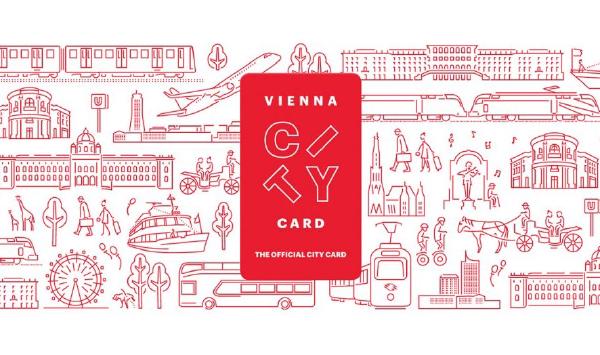
The Vienna City Card gives you unlimited public transport plus discounts at 200+ attractions. The 72-hour version costs EUR 33.90. If you’re visiting more than two paid museums, it pays for itself. I’d recommend it for most first-time visitors.
Where to Stay#
For a 3-day trip, stay in the 1st district (Innere Stadt) or the 7th district (Neubau). The 1st puts you walking distance from almost everything on Day 1. Neubau is cheaper, more local, and still just a 10-minute tram ride to the center.
I go into much more detail in my guide to the best areas to stay in Vienna, including specific hotel recommendations for every budget.
Vienna Hotels on Booking.com
Browse and compare hotels across all Vienna neighborhoods, with options for every budget from hostels to 5-star properties. Free cancellation on most bookings.
Day 1: The Imperial City Center#
This is your big sightseeing day. You’ll cover the historic first district on foot, hitting the major landmarks with plenty of stops for food and coffee.
Morning (9:00 - 12:30)#
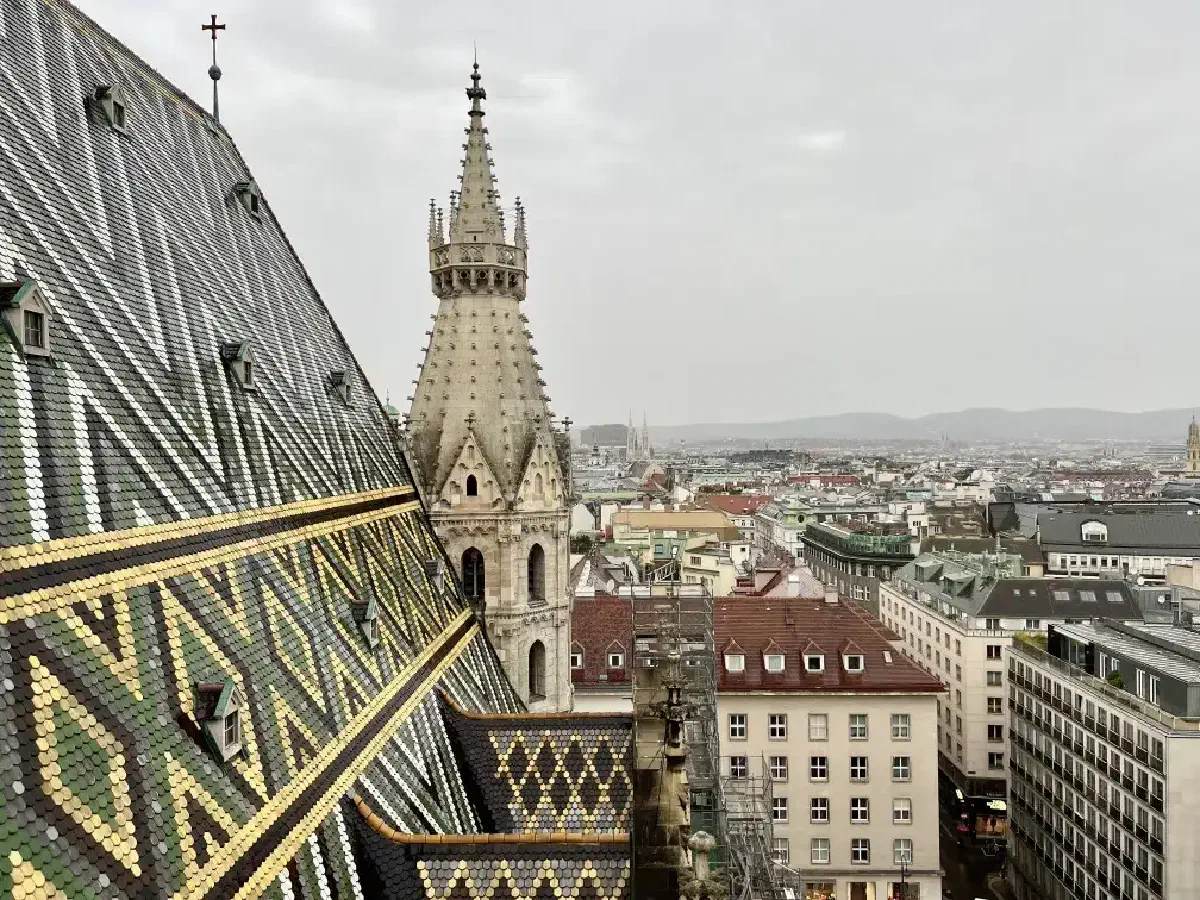
Start at St. Stephen’s Cathedral (Stephansdom). Get there by 9:00 before the tour groups arrive. Entry to the main nave is free. Pay the EUR 6 to climb the South Tower — 343 steps up a narrow medieval staircase for the best panoramic view of the city. It’s worth every step.
From the cathedral, walk down Graben, Vienna’s grand pedestrian boulevard. Stop to look at the Plague Column (Pestsaeule), a baroque monument from 1693. Continue onto Kohlmarkt, the city’s luxury shopping street, which leads you directly to the Hofburg.
Arrive at the Hofburg Palace around 10:30. This was the Habsburg seat of power for over 600 years, and it’s massive. Focus on the Imperial Apartments and Sisi Museum (EUR 17.50, opens at 9:00). The Sisi Museum alone is worth the visit — it cuts through the romantic myth and shows the real, complicated life of Empress Elisabeth. Budget about 90 minutes here.
Hofburg and Empress Sisi Museum Guided Tour
Guided tour of the Hofburg Palace with skip-the-line access, covering the Imperial Apartments and Sisi Museum. Free cancellation available.
Afternoon (12:30 - 17:00)#
By now you’re hungry. Walk 5 minutes from the Hofburg to Bitzinger Wuerstelstand at Albertinaplatz for a quick, classic Viennese sausage. Get the Kaesekrainer (cheese-filled sausage, around EUR 5) with a Pfiff (small beer, EUR 2.50). This is what the Viennese actually eat for a fast lunch.
After lunch, head to the Albertina Museum (EUR 18.90), right there at Albertinaplatz. Their permanent collection of Monet to Picasso is excellent, and the rotating exhibitions are consistently strong. Plan about 90 minutes.
Walk south from the Albertina through Burggarten (free, lovely park) and then along Kaerntner Strasse back toward Stephansplatz. This is the main shopping artery — busy but worth a stroll.
At around 15:30, it’s time for your first real Viennese coffeehouse experience. Head to Cafe Central (Herrengasse 14, U3 Herrengasse). Yes, it’s famous and yes, there’s often a line — but the vaulted ceilings are spectacular and the Apfelstrudel is one of the best in the city. Order a Melange (Vienna’s version of a cappuccino, EUR 6.50) and an Apfelstrudel (EUR 7.90). Sit, slow down, read a newspaper. This is what the coffeehouse is for.
I’ll have a full guide to Vienna’s best coffeehouses soon — there are dozens worth visiting beyond the famous ones.
Evening (18:00 - 21:00)#
For dinner, walk to Figlmueller (Wollzeile 5, just behind Stephansdom) for the most famous Wiener Schnitzel in the city. The schnitzel hangs over the edge of the plate and costs about EUR 17.90. Make a reservation — walk-ins wait 30-60 minutes. Their second location at Baeckerstrasse 6 is less crowded and equally good.
Reserve a Table at Figlmüller
Book a table at Figlmüller, home of Vienna’s most famous plate-sized Wiener Schnitzel. Walk-ins face a 30–60 minute wait in peak season — reserving ahead saves the queue.
After dinner, take a walk. The first district is beautiful at night when the crowds thin out. Walk past the illuminated Staatsoper (State Opera), through Heldenplatz in front of the Hofburg, and end at Rathausplatz to see the City Hall lit up. The whole loop is about 30 minutes and one of my favorite walks in Europe.
Day 2: Schoenbrunn, Museums & Culture#
Today you go big in the morning with Schoenbrunn, then choose your afternoon adventure based on your interests.
Morning (8:30 - 12:30)#
Get to Schoenbrunn Palace early. Take the U4 from Karlsplatz to Schoenbrunn station (12 minutes). Walk through the main gate and buy the Grand Tour ticket (EUR 29, covers all 40 rooms). The palace opens at 8:30 — be there at opening to avoid the worst crowds.
The Grand Tour takes about 60-75 minutes with the audio guide. After the palace rooms, spend at least an hour in the gardens (free). Walk up the hill to the Gloriette for a panoramic view of the palace and city. If the weather is good, this is one of the best viewpoints in Vienna.
If you’re traveling with kids or just love animals, the Schoenbrunn Zoo (Tiergarten, EUR 26) is right in the gardens — it’s the oldest zoo in the world (1752) and genuinely well-run.
I’ve written a detailed guide on the best Schoenbrunn tours and how to skip the lines, including which ticket type is actually worth buying.
Skip-the-Line Schönbrunn Palace Tour
Guided tour of Schönbrunn Palace with skip-the-line entry, covering the Grand Tour rooms and gardens. Especially worth it in summer when queues can stretch 30–45 minutes.
Afternoon (13:00 - 17:30)#
Head back to the city center for lunch at Vollpension (Schleifmuehlgasse 16, near Karlsplatz). This cafe is staffed by grandmothers who bake their own cakes from family recipes. The food is great, the concept is heartwarming, and the cakes are EUR 4-6 each.
Now choose your afternoon:
Option A: Art lovers — Belvedere Palace
Take the tram D from Karlsplatz to Schloss Belvedere (5 minutes). The Upper Belvedere (EUR 16.70) holds Klimt’s “The Kiss” — Austria’s most famous painting. The palace itself is stunning baroque, and the view from the garden back toward the city center is postcard-perfect. Allow 90 minutes.
Belvedere Upper Palace Skip-the-Line Tickets
Skip-the-line entry to the Upper Belvedere, home to Klimt’s “The Kiss” and one of Vienna’s finest baroque palaces. Free cancellation available.
Option B: Contemporary culture — MuseumsQuartier
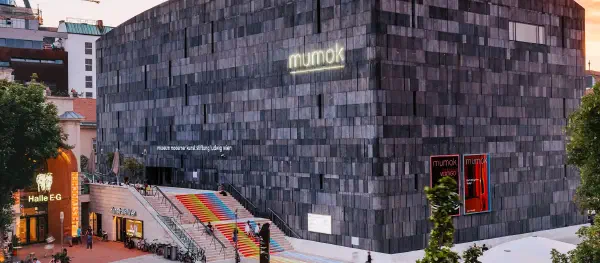
Walk 10 minutes from Vollpension to the MuseumsQuartier (MQ). This converted imperial stable complex is one of the largest cultural quarters in the world. The Leopold Museum (EUR 15, home to the world’s largest Egon Schiele collection) and mumok (Museum of Modern Art, EUR 15) are both excellent. Pick one and give it 2 hours.
The MQ courtyard is a destination in itself — grab a drink at one of the outdoor bars, sit on the colorful MQ furniture, and watch Vienna go by.
Evening (19:00 - 22:00)#
Tonight, experience the Vienna State Opera (Wiener Staatsoper). If you’re on a budget, standing-room tickets go on sale 80 minutes before curtain for just EUR 13-15. The queue forms about 2 hours before — bring a book. For seated tickets, book in advance on the Wiener Staatsoper website (EUR 40-250 depending on the seat).
Even if opera isn’t your thing, standing room for one act is a quintessential Vienna experience. The building interior is breathtaking, and the performances are world-class.
If opera truly isn’t for you, head to Das Loft on the 18th floor of the Sofitel Vienna (Praterstrasse 1, U1/U4 Schwedenplatz). The rooftop bar has floor-to-ceiling windows and one of the best nighttime views of the city. Cocktails run EUR 15-18 — expensive, but you’re paying for the view.
Day 3: Local Vienna & Beyond#
Your last day is about the Vienna that most tourists miss. Markets, neighborhoods with actual character, and a proper farewell dinner.
Morning (9:00 - 12:00)#
Start at the Naschmarkt (U4 Kettenbrueckengasse). Vienna’s most famous market stretches for about 500 meters with over 120 stalls. Get there by 9:00 on a weekday (Saturday is the flea market day — amazing but packed).
Walk the full length. Stop at Neni am Naschmarkt for a Middle Eastern-inspired breakfast (shakshuka, EUR 13.90) or graze your way through the market stalls — olives, cheese, fresh bread, dried fruits. Budget EUR 10-15 for market snacking.
On Saturdays, the flea market extends from the western end of the Naschmarkt. It’s a chaotic, wonderful mix of antiques, vintage clothes, and random treasures.
Afternoon (12:00 - 17:00)#
From Naschmarkt, walk into the Freihausviertel (4th district) and Neubau (7th district). These are where young, creative Vienna lives. Wander Schleifmuehlgasse and Gumpendorfer Strasse for independent boutiques, specialty coffee shops, and street art.
Stop for lunch at Motto am Fluss (Schwedenplatz, on the Danube Canal) for modern Austrian cuisine with river views. The lunch menu runs about EUR 15-20 for a main.
For the afternoon, you have two options:
Option A: The Prater
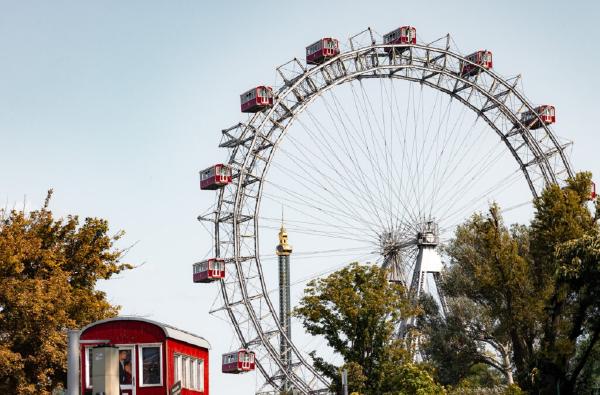
Take the U1 to Praterstern and walk into the Prater amusement park. Ride the Riesenrad (Giant Ferris Wheel, EUR 13.50) — it’s been spinning since 1897, and the views from the top are iconic. The park itself is free to enter; you pay per ride. Beyond the amusement park, the Prater’s green expanse is Vienna’s biggest park — great for a walk or a rented bike ride.
Option B: A Day Trip to Wachau Valley
If you’re craving a half-day escape, take the train from Wien Franz-Josefs-Bahnhof to Krems an der Donau (70 minutes, EUR 17 each way). The Wachau Valley is a UNESCO World Heritage stretch of the Danube with terraced vineyards, medieval villages, and excellent white wine. Walk through Duernstein, taste Gruener Veltliner at a local winery, and take the train back by late afternoon.
Wachau Valley Day Trip from Vienna
Guided day trip to the UNESCO-listed Wachau Valley along the Danube, visiting medieval villages like Dürnstein and sampling local Grüner Veltliner wine. Free cancellation available.
Evening (18:30 - 21:30)#
End your trip the Viennese way — at a Heuriger (traditional wine tavern). Take the tram 38 from Schottentor to the end of the line in Grinzing, or better yet, take the 38A bus to Neustift am Walde for a less touristy experience.
Go to Heuriger Mayer am Pfarrplatz (Pfarrplatz 2, 1190 Wien). Beethoven lived in this building in 1817. The garden courtyard is magical in warm weather. Order a Viertel (quarter liter) of their house white wine (EUR 4-5) and load up at the cold buffet — roast pork, spreads, salads, bread (EUR 10-15 for a full plate).
This is how Vienna says goodbye. Wine, good food, and a garden courtyard as the sun goes down.
Budget Breakdown#
Here’s what to expect for 3 days in Vienna based on travel style. All prices are per person, per day.
| Category | Budget | Mid-Range | Luxury |
|---|---|---|---|
| Accommodation | EUR 40-60 (hostel/budget hotel) | EUR 80-140 (3-4 star hotel) | EUR 200-400 (5-star hotel) |
| Food | EUR 25-35 | EUR 45-70 | EUR 100+ |
| Transport | EUR 6 (72h ticket / day) | EUR 6 | EUR 20 (taxis) |
| Activities | EUR 15-25 | EUR 30-50 | EUR 60-100 |
| Daily Total | EUR 86-126 | EUR 161-266 | EUR 380-620 |
| 3-Day Total | EUR 258-378 | EUR 483-798 | EUR 1,140-1,860 |
These estimates don’t include flights. The mid-range column is what most visitors spend and gets you a comfortable trip with all the major sights.
Vienna Hotels — Find the Best Deals
Compare hotels across all Vienna neighborhoods and price ranges. Most listings include free cancellation, making it easy to lock in a rate and adjust later.
Frequently Asked Questions#
Is 3 days enough for Vienna?#
Yes. Three days let you cover the imperial highlights (Hofburg, Schoenbrunn), a couple of world-class museums, the best food experiences, and still leave time to explore local neighborhoods. You won’t see everything, but you’ll see Vienna’s best. If you have a fourth day, spend it on a day trip to the Wachau Valley or diving deeper into the museum scene.
What’s the best area to stay for 3 days?#
The 1st district (Innere Stadt) is most convenient — you can walk to almost everything on Day 1 without public transport. The 7th district (Neubau) is my recommendation for travelers who want a more local feel at lower prices, with trams connecting you to the center in minutes. Check my full where to stay guide for district-by-district recommendations.
How much does 3 days in Vienna cost?#
A mid-range 3-day trip costs roughly EUR 500-800 per person (excluding flights). That covers a 3-star hotel, eating out twice a day, public transport, and admission to 3-4 major attractions. Budget travelers who stay in hostels and eat street food can manage on EUR 250-380. See the detailed budget breakdown above.
Should I get the Vienna City Card?#
If you plan to visit two or more paid attractions (which you will on this itinerary), yes. The 72-hour Vienna City Card (EUR 33.90) includes unlimited public transport plus discounts of 10-25% at most major sights. The transport alone would cost EUR 17.10 for 72 hours, so you’re paying about EUR 17 extra for all the attraction discounts. It usually saves EUR 15-25 over three days.
Do I need to speak German in Vienna?#
Not at all. English is widely spoken in hotels, restaurants, museums, and shops throughout the tourist areas. That said, a few basics go a long way. Learn “Grüß Gott” (hello), “Bitte” (please), and “Danke” (thanks). Viennese appreciate the effort, even if they immediately switch to English.
Is a 3-day Vienna itinerary worth it in 2026?#
Yes, and Vienna remains one of Europe’s best value short-break cities in 2026. The Vienna City Card (EUR 33.90 for 72 hours) covers unlimited public transport plus discounts at 200+ attractions, making it easy to pack a lot in. Three days is genuinely enough to see Schoenbrunn Palace, the Hofburg, two major museums, and eat your way through the city — without feeling rushed.
What is the cheapest way to do 3 days in Vienna in 2026?#
Start with a 72-hour public transport pass (EUR 17.10) and use trams and U-Bahn instead of taxis. Eat at Wuerstelstands (sausage stands) and Naschmarkt stalls for EUR 5-8 per meal, and make the most of free sights: the Burggarten, the Ringstrasse walk, and the main nave of St. Stephen’s Cathedral are all free. Most state museums are free on the first Sunday of each month. Budget travelers doing this right can cover all 3 days for EUR 250-380 per person including accommodation.
How far in advance should I book tours and attractions for a Vienna trip in 2026?#
For Schoenbrunn Palace and Hofburg, book skip-the-line tickets 2-3 days ahead in shoulder season and at least a week ahead in peak summer (July-August), when queues can reach 45 minutes. For the Vienna State Opera, specific performance tickets (EUR 40-250 for seats) sell out weeks or months in advance — standing-room tickets (EUR 13-15) go on sale 80 minutes before curtain and require arriving in the queue about 2 hours early.
Plan the Rest of Your Trip#
This itinerary gives you a strong foundation, but Vienna has more to offer than any 3-day trip can cover. Here are my other guides to help you plan:
- The Best Things to Do in Vienna — comprehensive guide beyond the highlights
- Where to Eat in Vienna — from traditional Beisl to modern fine dining
- Visiting Vienna on a Budget — how to see the city without overspending
Vienna is one of those cities that rewards return visits. But even with just three days, you’ll leave understanding why this city consistently ranks as one of the most livable places on Earth. Pack comfortable shoes, bring an appetite, and don’t rush the coffee.